An expert theif, his rival, a police detective, and a disillusioned insurance broker all cross paths in LA leading up to a major job being planned by the former.
Crime 101 assembles a cast and plays to all their strengths while allowing its slow pace to breathe without an overabundance of massive action scenes, though when they come, they’re rather tense. Chris Hemsworth is fun in the leading role and refreshingly understated, but its the players around him who really shine here. Halle Berry is given her strongest role in years as a character attempting to take charge of her own life, while Mark Ruffalo is great as a detective on Hemsworth’s tail. Monica Barbaro also stands out as one of the film’s most interesting characters, while Barry Keoghan is always captivating and unpredictable.
The movie takes the time to flesh out its characters, even if it takes a bit of time to get invested into the conflict. Simple dialogue scenes shared between Hemsworth and Barbaro or Ruffalo and Berry are just as important to the story as the stakes and cat-and-mouse element of the lead character trying to get away with his crimes. It never quite challenges any expectations it sets, but the film’s patience rewards its audience, many of whom will enjoy the ride if they’re already fans of the action/crime thriller genres.
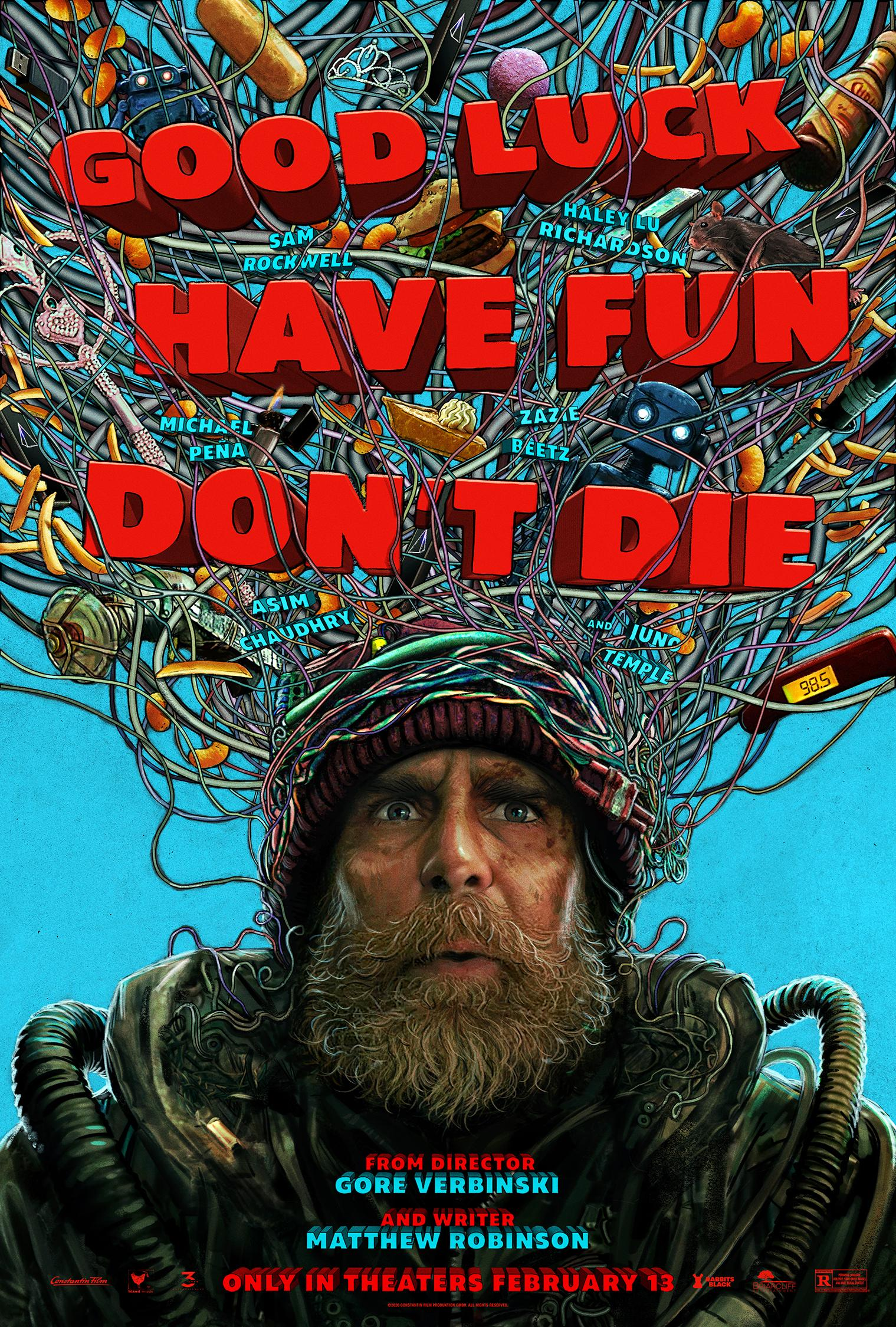
A mysterious man (Sam Rockwell) claiming to be from the future steps into a bar looking for recruits to fight the impending apocalypse with him, but who will be the right group of heroes to survive the night? And is making it to the finish line even possible?
Gore Verbinski assembles what truly feels like a dream cast for a sci-fi action comedy that’s absolutely nuts and isn’t ashamed of it. Sam Rockwell often does a great job of playing guys who seem insane but are actually the only one in the room who’s right, and here is no exception. Haley Lu Richardson and Juno Temple are additional standouts and anchor the film emotionally as well. Though the future hints to be bleak in the story, the clever non-linear narrative pulls down the curtain on a seemingly grounded diner in the present, to reveal that this world and its past is nothing like our own, only it could be. The satire is very unsubtle but also truer than we’d like to admit; we’re often so glued to our phones and so overly reliant on social media and virtual/artificial creations for everyday tasks, and worse, gratification and comfort, that we miss the world around us and forget to use basic common sense and human decency.
At some point, the movie gives up on trying to explain itself and just starts throwing things at the wall to see what sticks, but Verbinski’s imagination make this feel like a large-scale film with scale and a ridiculous self-awareness that’s less concerned with making sense and more so with big excitement that very much succeeds at violent and endearing yet cleverly structured irreverence.
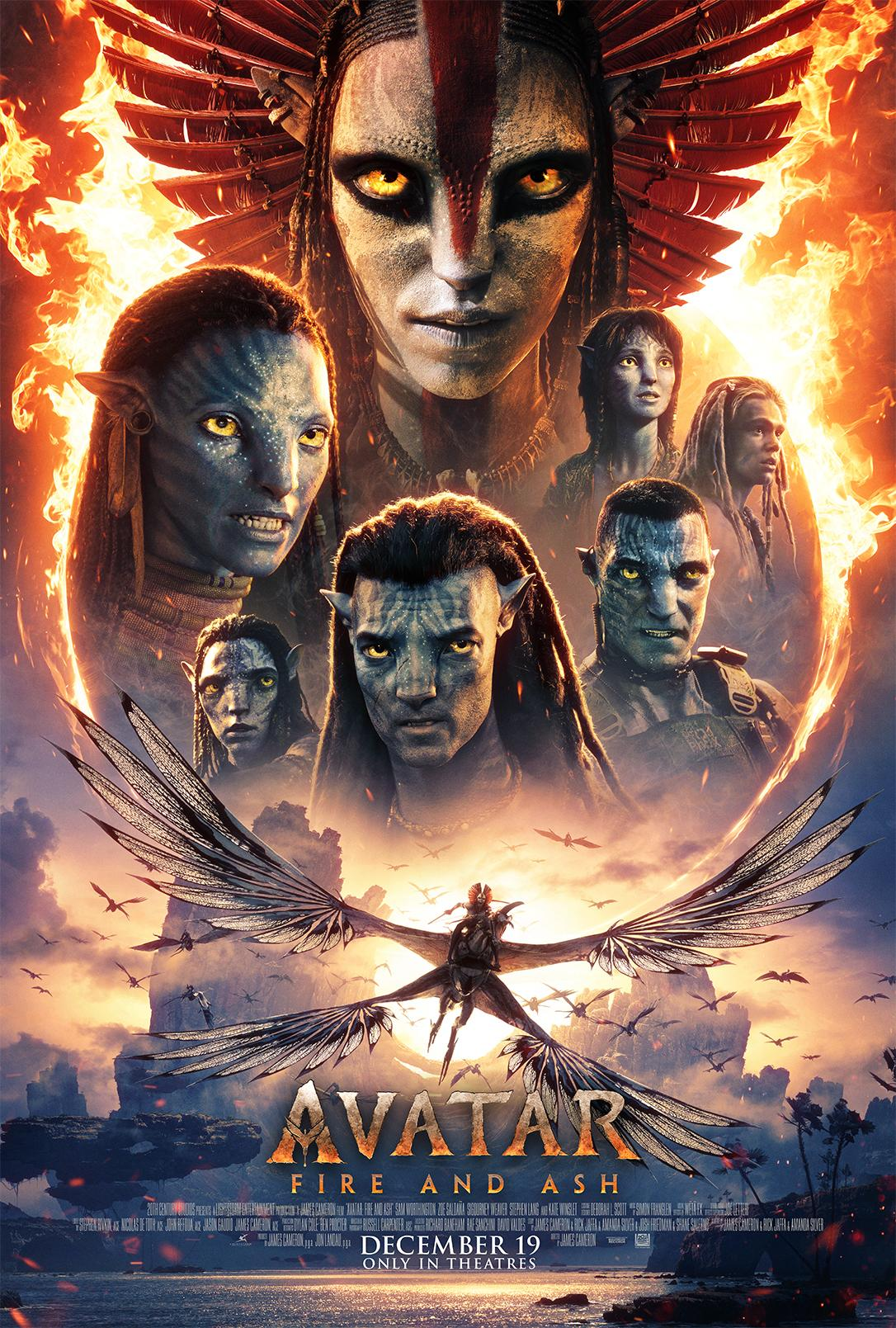
James Cameron succeeds yet again in teleporting the audience from their seats into the lands, airs, and seas of Pandora and anyone who buys a ticket for Avatar: Fire and Ash may experience one of the most visually arresting things they’ve ever seen. The complexity of the water, the Na’vi people themselves, and the incredible settings are so detailed and breathtaking to look at, immersing you into an action sci-fi saga with epic scale that only Star Wars and Dune have reached recently. Every character is challenged to the brink to make the most difficult choices, and the child characters from the last film are even stronger here. Jake and Neytiri’s son Lo’ak earns a lot of spotlight he’s given, and Jack Champion’s performance has definitely improved. Zoe Saldaña is again a highlight as Neytiri and given much more to do, while Sigourney Weaver impresses in her strong performance as Kiri. Stephen Lang eats up the scenery as the ruthless and vengeful Quaritch. It’s interesting to examine his grievance against Jake, as they’re both once-human military men now in Na’vi bodies, but even more interesting is the dichotomy between Neytiri and new antagonist Varang, played fantastically by Oona Chaplin. She’s the leader of the Ash People, who reject the Na’vi belief in the goddess Eywa and is hellbent on spreading chaos.
The action sequences are brought to life with such a might and grandeur that it truly feels like the culmination of decades of blockbuster filmmaking. The journey is so stunning that you may not want it to end, but if anything holds the film back, is action set pieces feeling recycled from the last film. The similarities to The Way of Water, especially in the final act, are glaring, including numerous character dynamics/arcs and action scenes. The human characters get a lot of screen time and are rather annoying, especially Giovanni Ribisi, who is needlessly brought back from the first film. However, it looks so gorgeous, particularly a jaw-dropping final battle, and the emotional stakes are so high that the immersive adventure forgives much of its unoriginality and some narrative shortcomings. Those looking for another thrilling experience will be amazed by the sheer beauty of what may be one of the most intricate and astounding CGI achievements of all time. If you can forgive some familiarity, Fire and Ash will lift you out of your seat and take you to worlds away that feel so tangible that watching it in big formats like IMAX and 3D is a once-in-a-lifetime experience.
Zootopia 2 expands on its titular setting in ways that contrary to many big sequel, feel natural to the world of its story and quite visually intriguing. Though it can’t recapture the magic of Zootopia (to be fair, almost no animated movie can), this sequel is engaging, charming, and incredibly funny, despite a rushed start. Ginnifer Goodwin and Jason Bateman contribute to the great, if rocky, dynamic duo that is Judy Hopps and Nick Wilde, now partners on the Zootopia police force and looking to do some good together. Though at first it feels like Nick has unlearned much of what he learned in the first film, we soon come to understand his motivations and where their friendship goes is very heartfelt and excellently written. Fortune Feimster, Ke Huy Quan, and Andy Samberg stand out the most as new characters in the mix, particularly Feimster as a lovable new ally of the duo.
The film may miss the thematic weight of the first film, but still has an interesting, if unsubtle, message that parents can grasp onto profoundly and discuss with their children. It does rely overly on reference and callbacks to the first film for laughs, but also is its own film when it needs to be, with engaging settings and a conflict that starts off predictable but gets more and more fun. Even if it’s a significant step down from its predecessor, it’s got fun for all ages and a ride that was worth the wait.
In a future ruled by an authoritarian government, Ben Richards joins a deadly game show to win money to support his family. There’s one catch: to win, he has to survive one month on the run from expert assassins who are trying to kill him.
The Running Man is not the first film adaptation of the Stephen King novel, but it’s also the rare reimagining that not only justifies its existence by taking a completely different and more faithful direction, but also tops the original film by far. Edgar Wright’s love of filmmaking shines through in all of his projects, no matter the scale or setting. This one is a lot more self-serious than his other works, but still enough irreverence and humor shines through to balance that out. Glen Powell’s action star material gives the film much flare and entertainment, making Ben Richards a fun character to root for, even when some of his characteristics don’t always add up (a subplot about his anger issues becomes rather irrelevant after the opening minutes). Colman Domingo is also a riveting standout as the host of the titular game show, giving the dialogue and performance his all. His scenes of commentary and theatrics elevate much of the film.
Though its themes have been explored in other films, including many recent ones, it still very intriguingly explores how capitalism and consumerism enslave the working class through sadistic entertainment. It hits both close to home while evoking something different from our reality. The pace is just fast enough for the audience to root for our hero and be interested in its vibrant world-building and energy. The action is bloody and creative without feeling overly cartoonish and fitting within the world of the film, and the directions it takes are thrilling while the humor and dark satire work perfectly together. This modern adaptation not only works far better than its predecessor, but it’s a winning ride for action fans and for the always charismatic Powell.
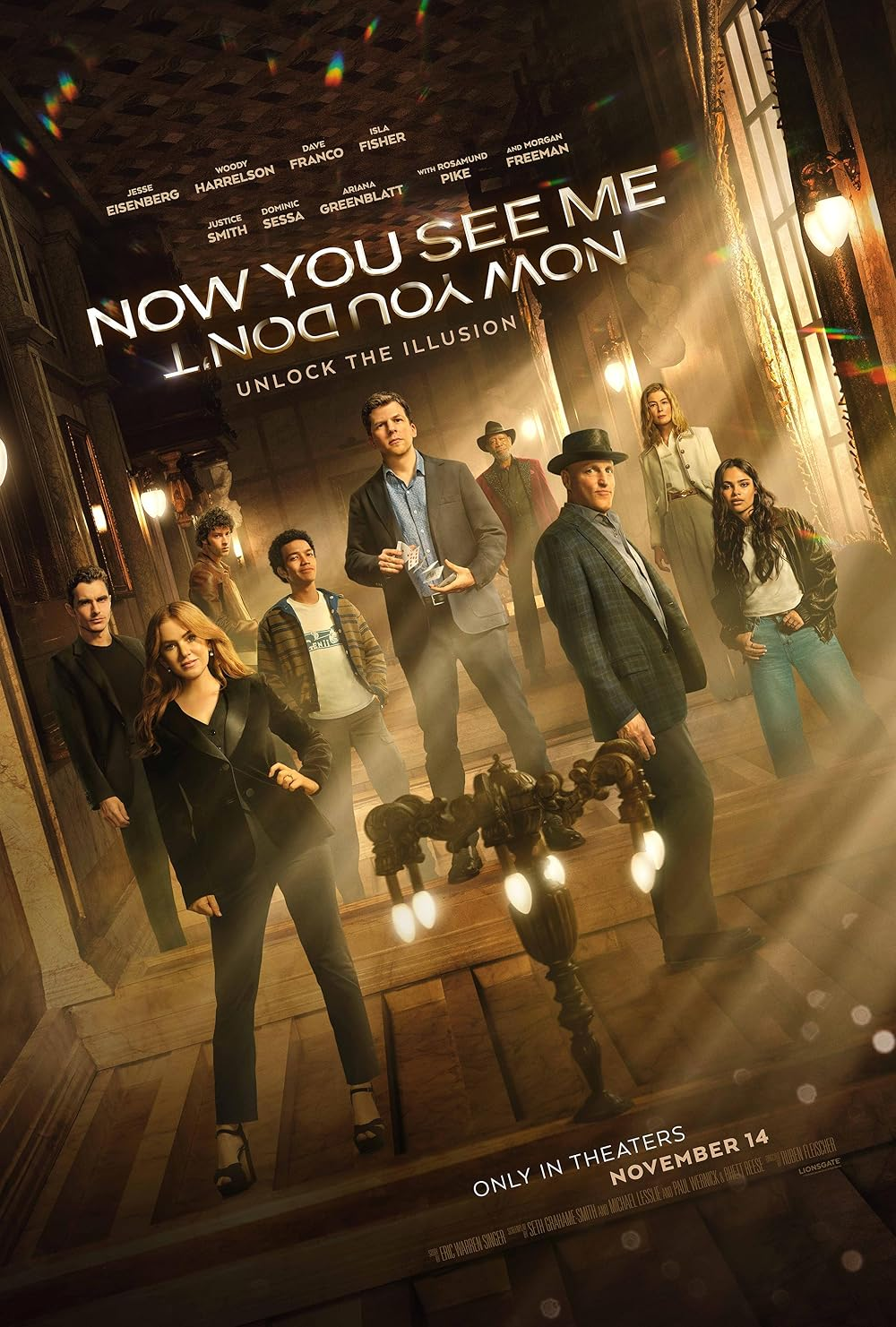
The Horsemen band together once again after years apart to train a new generation of magic criminals and pull off a seemingly impossible heist.
Devoid of the fugitive thrills, star charisma, and moral ambiguity that made the first film remotely a success, this movie turns its protagonists into superheroes with plot conveniences at their disposal, and none of the big names in the cast really get to shine their personalities, with every character feeling empty, with the exceptions of those played by Dominic Sessa, Ariana Greenblatt, and Morgan Freeman. Rosamund Pike is given truly awful material to work with and a very odd South African accent.
The movie struggles to answer the question of, why this sequel so many years later? Why this heist? Why this villain? The stakes feel rather low for a third film, and when the script finally comes around to attempting satisfying responses to these questions, you’re left wishing you hadn’t heard them. The movie isn’t even quite able to tell us why we should be so impressed by these magicians, and if what they’re doing really has any meaning at all besides prestige. Things happen because the story begs them to, but a turn in the final act also comes in and makes any development the whole thing feel null and void, anyway. The action ranges from fine to filled with glaring gaps in logic, and even when the movie begs you to turn off your brain and enjoy some of the fights and humor, there’s a real lack of excitement and very irritating script directions in the way of that.
Like the Horsemen’s magic tricks, Now You See Me: Now You Don’t feels forcefully manufactured for a wide audience. If you enjoyed both the previous films, this one is a lot more of the same, but it seriously fails to justify its existence besides some big visuals and sets, even with all the star power and energy at the table.
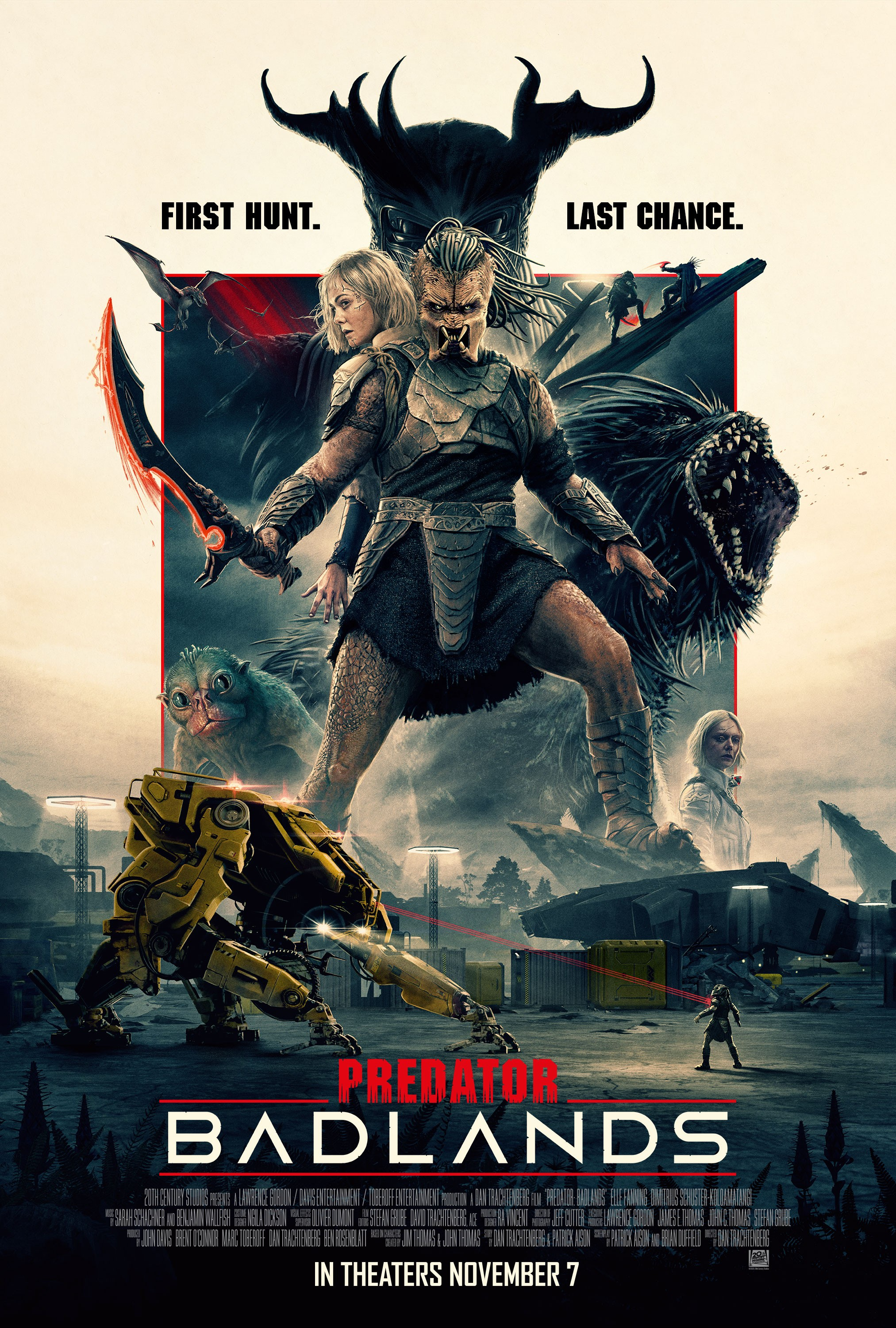
A young outcast Predator named Dek finds himself stranded on an unfamiliar planet, and must band together with android Thia in order to face some new threats and survive.
Predator: Badlands proves that for some franchises, the standalone spinoff method can certainly hold better than trying to directly recapture the essence of the original. Badlands starts off a bit rocky, with the stunts team’s work impressing but the characterization of the Yautja feeling too distant to connect with Dek as a protagonist. Once Elle Fanning’s character is introduced to the mix in the first act, we’re finally able to feel for what’s going on, thanks to her bond with Dek, and Fanning’s wonderful performance as not one but two androids.
The action ranges from forgettable earlier on in the runtime to exciting later. Thankfully, the story and fights get better and better as the film goes along and not the other way around, and manages to stay interesting with relatively low stakes. Maybe the Predator himself makes for a cooler villain than hero, but this story works well because of Fanning and the intricate stunt performances and visual look.
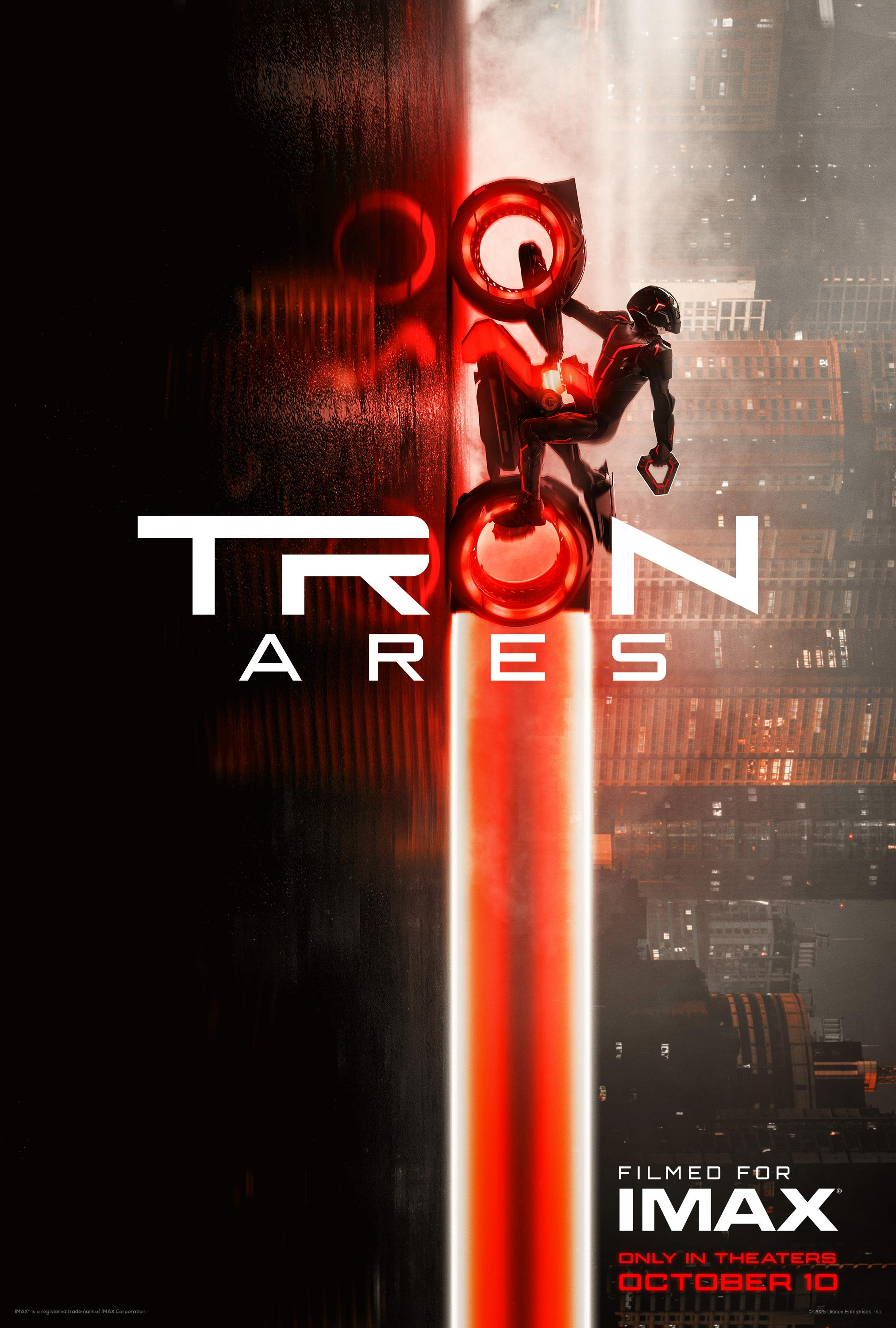
Ares, the most intelligent artificial being in the world, is sent from the virtual world of Tron into the real world on a dangerous mission that could determine the future of AI and the world.
The virtual worlds and objects that come out into the real world in Tron: Ares are eye-popping and a must in 3D. The immersive scenery within the film invite you in with the gorgeous cyberpunk look, and the score by Trent Reznor and Atticus Ross is also a highlight of the experience of watching the film. Just like its predecessor Tron: Legacy, Ares is a perfectly middle-of-the-road film with out-of-this-world visuals yet an underwhelming screenplay. Thankfully, the human protagonist is far more interesting this time around, with Greta Lee giving an engaging performance that’s fun to follow and has some heart. That said, Jared Leto’s performance is hit-or-miss, with the intentional soullessness of the titular character Ares feeling excessive and even cold when he’s supposed to start connecting with the audience and human characters. Evan Peters’ performance does the best with a cliche tech billionaire character, while Jodie Turner-Smith does a great job with a character who’s not as fleshed out as she needed to be.
The film also doesn’t quite explore its themes of altruism vs greed and war with technological advances quite in depth, but the objective the two sides of the coin are both after is engaging, as are a few standout action sequences. If only the film better explored the potential stakes and consequences of the antagonists’ goals. Even if it doesn’t quite manage to form a deep bond with any of its characters, the film is so stunning to look at that the frames leap off the screen. Only a format such as IMAX 3D justifies this watch, but if you can find a screen big enough, it’ll be quite the 2 hours of amazing, if forgettable, eye candy.
After a ruthless enemy resurfaces after sixteen years, a former revolutionary must come out of hiding to protect his daughter from a terrifying power coming after them.
Paul Thomas Anderson, already one of the most sweeping and daring filmmaker of the last few decades, is not only at his most ambitious in scope here. With One Battle After Another, the director challenges himself and his audiences into discomfort and nail-biting suspense, while transcending and recontextualizing his body of work. His direction is not only at its most cinematic and maximalist, but one of his most thematically profound.
Leonardo DiCaprio shines as a man who is task-oriented and protective yet fragile in his sense of self, portraying a character who’s funny in his messiness as he is loud and dangerous if a nervous wreck. Sean Penn is vicious and terrifying, giving his best performance in decades that could even get him another Oscar, and a villain that will go down as one of the all-time greats. The ensemble cast all deserve their flowers in their own right and offer the film lots of strength. Chase Infiniti is fantastic as DiCaprio’s daughter who gives much strength to every scene she’s in, and her scenes are riveting. Teyana Taylor leaves such an impression with a tremendous performance that gives weight and immense depth to the entire film, even when she’s not on screen. Benicio del Toro shines in a lovable and entertaining performance that steals the screen while letting other performances be “bigger” at the same time, and Regina Hall is also excellent.
There isn’t one element to Anderson’s approach that turns One Battle After Another into a masterpiece; it’s the whole the parts create. The gorgeous cinematography, Jonny Greenwood’s booming score, the swift pace and dark tone, and the magnificent sound design create the unpredictability and transfixing nature of the film you’re in. It’s the most shockingly and horrifically relevant film to today’s America I can remember, with imagery mirroring current power dynamics. The imagery is so visceral and mirrors real-life conflict in a way that screams like a warning, but one for a reality that’s already begun. In the world of One Battle After Another, each person has convinced themselves of an enemy or an other, and that violence is a justified means to an end that signifies a greater good. Nobody in this film becomes a true hero, there are simply people with worse beliefs and who have codes and are willing to commit deeds that are less acceptable to our moral standards. There are many moments that stand out in One Battle After Another that invoke suspense and epic magnitude, but that feeling is felt in every moment and frame. Even for a legendary director of PTA’s rapport, One Battle After Another is a breathtaking experience that’s among one of the best films of the last ten years, and one of Paul Thomas Anderson’s most visionary and unforgettable movies.
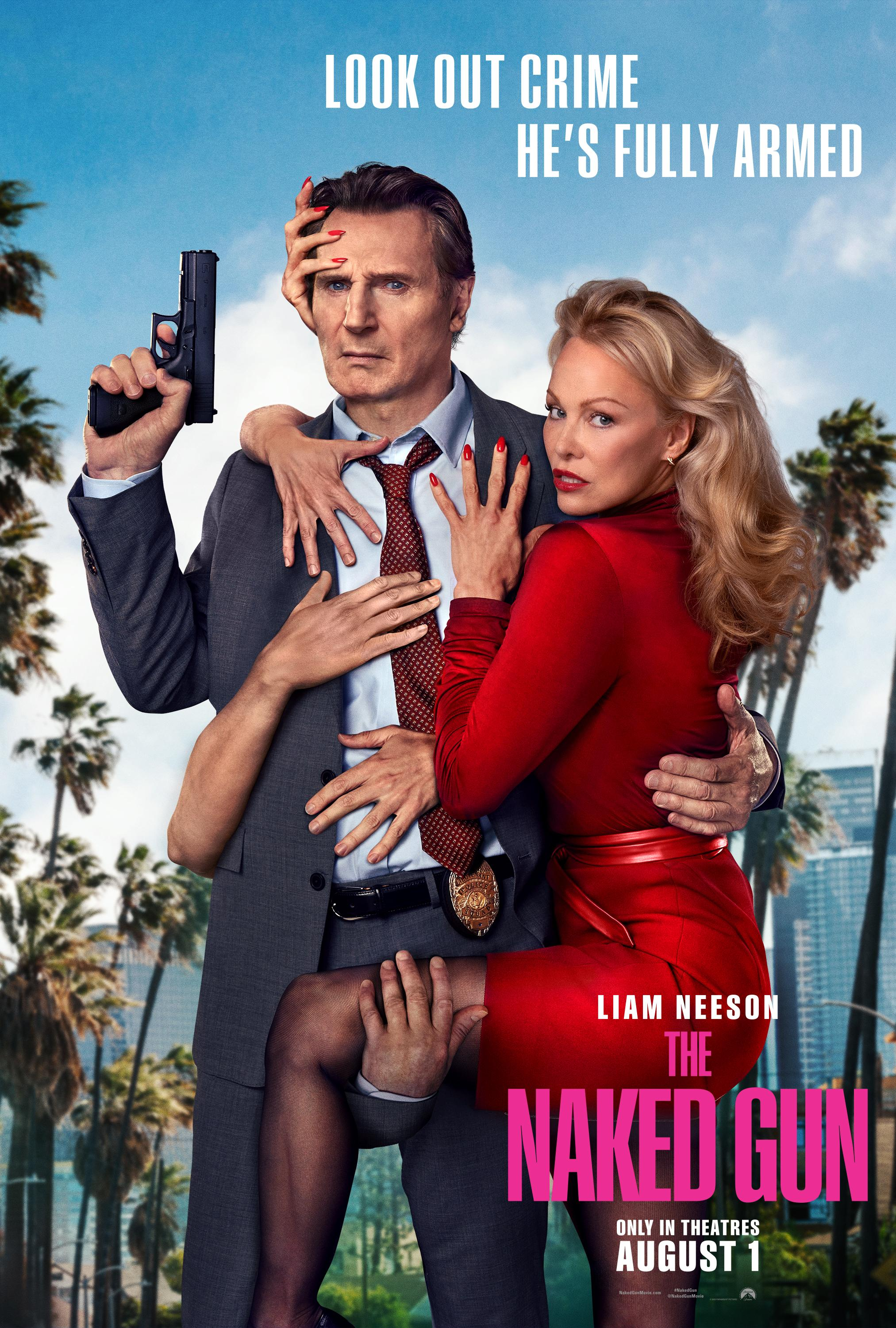
If it ain’t broke, is there any need to fix it? The Naked Gun doesn’t set out to reinvent its franchise — it tries the exact same things its predecessors would’ve, and works so well for it. The humor is still silly and not limited by the same political correctness many adhere to today, and once the laughs start coming, they never stop. Everything from visual comedy, pop culture references, wordplay, and more NSFW humor are thrown at you at light speed, and the laughs hardly miss, even when they’re not very “smart”.
Liam Neeson does a stellar job following in the footsteps of the legendary Leslie Nielsen, with Frank Drebin, Jr. just as dim-witted but lovable as his dad. Neeson’s comedic and clueless turn serves as a huge and much-needed breath of fresh air from his far more brooding and serious action movie roles in the last two decades, perhaps making us wish more of his movie choices were comedies. Pamela Anderson’s romantic lead isn’t necessarily an interesting character, but her performance shines and makes the role fun to watch while sharing strong chemistry with Neeson that works in a weirdly endearing way. Paul Walter Hauser is also great while Danny Houston’s awful villain not only makes no sense, but his evil plot is stolen from another semi-recent spy movie.
Just like classic screwball action comedies like Top Secret and Austin Powers, The Naked Gun’s pleasure comes from its ridiculousness, and isn’t focused on coming off as high-brow or satirical as Kingsman. It’s irreverent and frankly dumb, but always on the audience’s side and undeniably a great time.












 filmtoppings.com