The Running Man

In a future ruled by an authoritarian government, Ben Richards joins a deadly game show to win money to support his family. There’s one catch: to win, he has to survive one month on the run from expert assassins who are trying to kill him.

The Running Man is not the first film adaptation of the Stephen King novel, but it’s also the rare reimagining that not only justifies its existence by taking a completely different and more faithful direction, but also tops the original film by far. Edgar Wright’s love of filmmaking shines through in all of his projects, no matter the scale or setting. This one is a lot more self-serious than his other works, but still enough irreverence and humor shines through to balance that out. Glen Powell’s action star material gives the film much flare and entertainment, making Ben Richards a fun character to root for, even when some of his characteristics don’t always add up (a subplot about his anger issues becomes rather irrelevant after the opening minutes). Colman Domingo is also a riveting standout as the host of the titular game show, giving the dialogue and performance his all. His scenes of commentary and theatrics elevate much of the film.

Though its themes have been explored in other films, including many recent ones, it still very intriguingly explores how capitalism and consumerism enslave the working class through sadistic entertainment. It hits both close to home while evoking something different from our reality. The pace is just fast enough for the audience to root for our hero and be interested in its vibrant world-building and energy. The action is bloody and creative without feeling overly cartoonish and fitting within the world of the film, and the directions it takes are thrilling while the humor and dark satire work perfectly together. This modern adaptation not only works far better than its predecessor, but it’s a winning ride for action fans and for the always charismatic Powell.

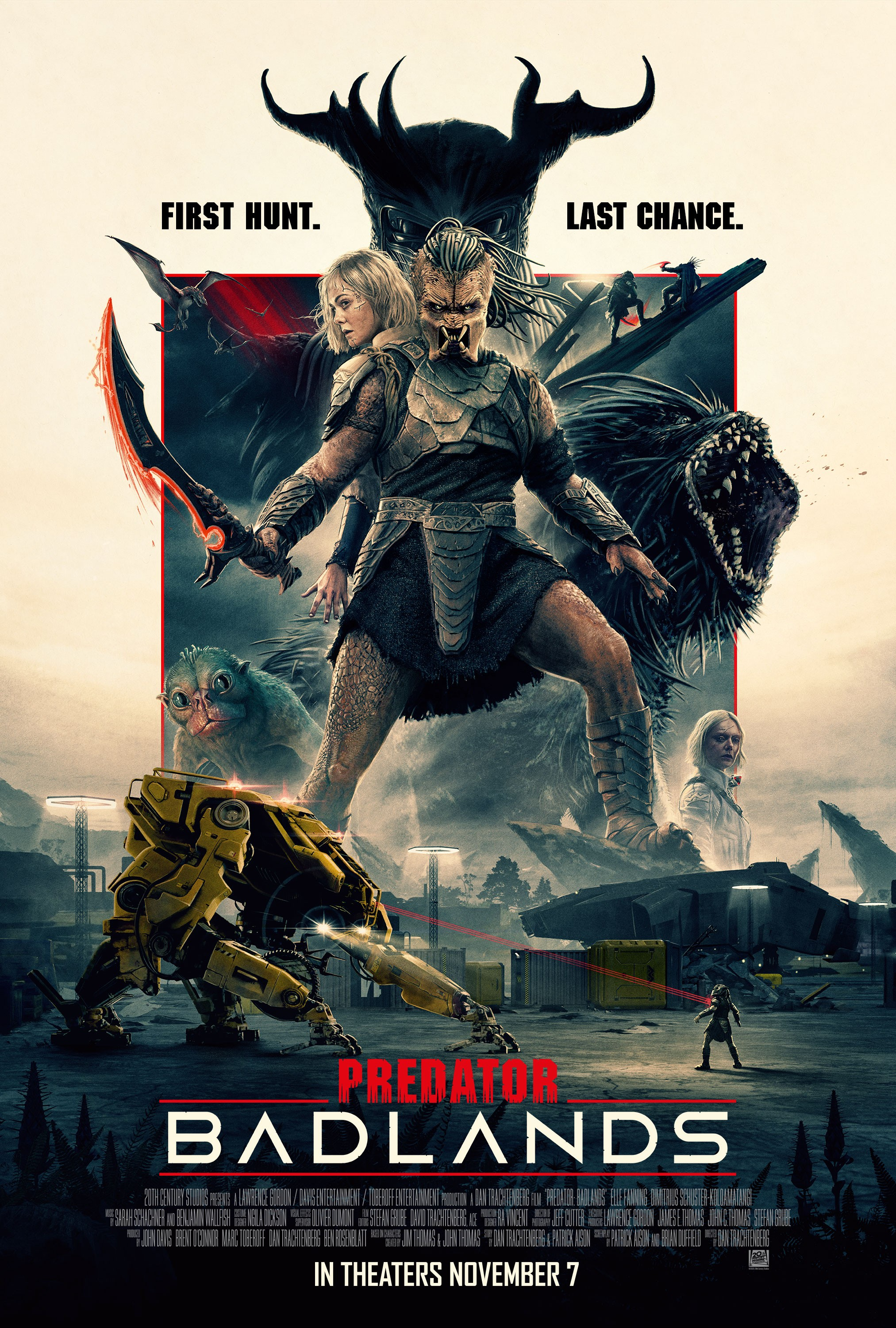
Predator: Badlands

A young outcast Predator named Dek finds himself stranded on an unfamiliar planet, and must band together with android Thia in order to face some new threats and survive.

Predator: Badlands proves that for some franchises, the standalone spinoff method can certainly hold better than trying to directly recapture the essence of the original. Badlands starts off a bit rocky, with the stunts team’s work impressing but the characterization of the Yautja feeling too distant to connect with Dek as a protagonist. Once Elle Fanning’s character is introduced to the mix in the first act, we’re finally able to feel for what’s going on, thanks to her bond with Dek, and Fanning’s wonderful performance as not one but two androids.

The action ranges from forgettable earlier on in the runtime to exciting later. Thankfully, the story and fights get better and better as the film goes along and not the other way around, and manages to stay interesting with relatively low stakes. Maybe the Predator himself makes for a cooler villain than hero, but this story works well because of Fanning and the intricate stunt performances and visual look.

Tron: Ares

Ares, the most intelligent artificial being in the world, is sent from the virtual world of Tron into the real world on a dangerous mission that could determine the future of AI and the world.

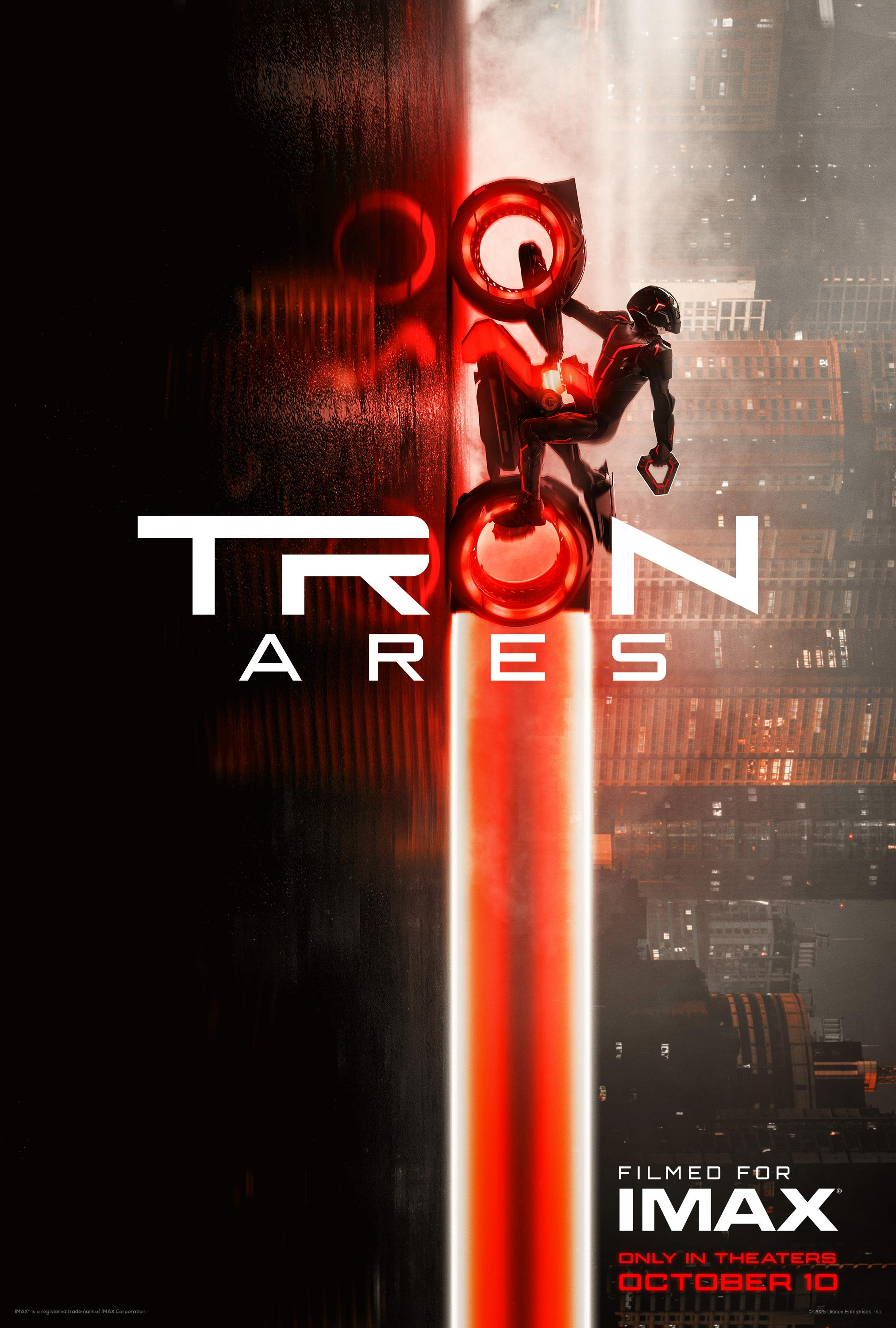
The virtual worlds and objects that come out into the real world in Tron: Ares are eye-popping and a must in 3D. The immersive scenery within the film invite you in with the gorgeous cyberpunk look, and the score by Trent Reznor and Atticus Ross is also a highlight of the experience of watching the film. Just like its predecessor Tron: Legacy, Ares is a perfectly middle-of-the-road film with out-of-this-world visuals yet an underwhelming screenplay. Thankfully, the human protagonist is far more interesting this time around, with Greta Lee giving an engaging performance that’s fun to follow and has some heart. That said, Jared Leto’s performance is hit-or-miss, with the intentional soullessness of the titular character Ares feeling excessive and even cold when he’s supposed to start connecting with the audience and human characters. Evan Peters’ performance does the best with a cliche tech billionaire character, while Jodie Turner-Smith does a great job with a character who’s not as fleshed out as she needed to be.

The film also doesn’t quite explore its themes of altruism vs greed and war with technological advances quite in depth, but the objective the two sides of the coin are both after is engaging, as are a few standout action sequences. If only the film better explored the potential stakes and consequences of the antagonists’ goals. Even if it doesn’t quite manage to form a deep bond with any of its characters, the film is so stunning to look at that the frames leap off the screen. Only a format such as IMAX 3D justifies this watch, but if you can find a screen big enough, it’ll be quite the 2 hours of amazing, if forgettable, eye candy.

The Fantastic Four: First Steps

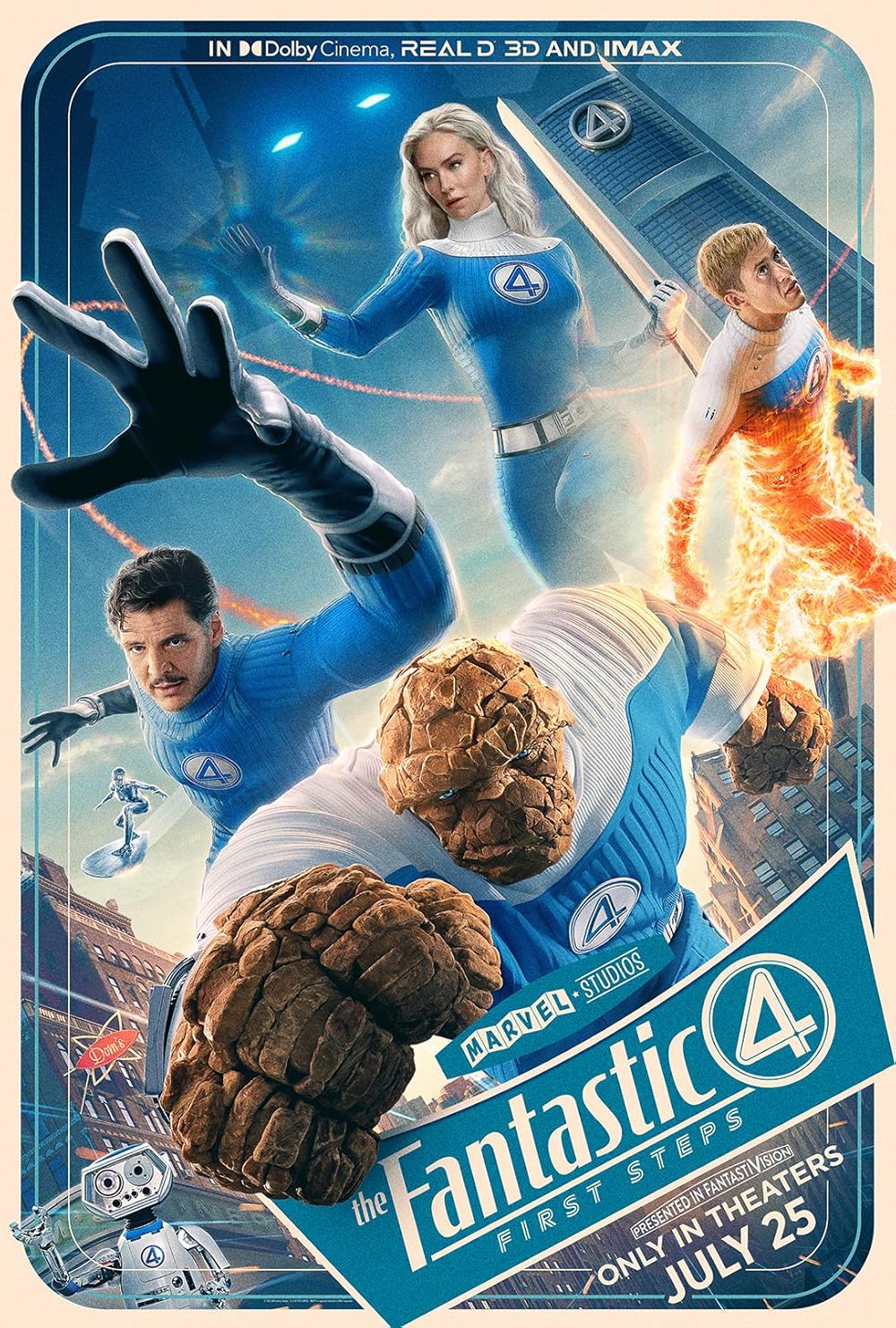
It seems like the third time’s the charm for Marvel’s first family — after three different iterations on screen, the Fantastic Four finally get a film that’s not only watchable, but irresistible. Since this film is set in a parallel universe to the 36 films preceding it in the Marvel Cinematic Universe, it gets to build a new world from scratch. The eye-popping visuals will leave you in awe, including extraordinary costume and production design. The retrofuturistic approach to this new world recaptures that feeling of wonder of humanity embarking into space for the first time, while imagining a reality where all of humanity rallied together behind reason, morality, and science. This idealism and dream-like wonder bring a beautiful look and excitement that’s distinct from Marvel’s other outings that are set in a world with undertones much more like ours. Pedro Pascal gives his star-like charisma to Reed Richards, but the film wisely gives Vanessa Kirby’s Sue Storm much of the film’s emotional weight. Kirby is given a journey unique to Marvel and the screen, and she and Joseph Quinn fit their roles like a glove. Ebon Moss-Bachrach is a highlight as the deeply heartfelt and lovable Ben Grimm, and the family’s dynamic together is sweetly reminiscent of a team like The Incredibles.

The action-packed pace wastes no time, even when it sometimes skips time with detailed character arcs, their relations with one another, their world, and their roles in it drive the film very well, even when the conflict may be priority. The only shame is that talented supporting players Sarah Niles and Natasha Lyonne weren’t given a little more screen time. The effects and action always entertain, and even the world-devouring giant Galactus is given a serviceable motivation to give his presence weight, including Ralph Ineson’s powerful voice. Meanwhile, his herald Shalla-Bal, the Silver Surfer, is given an interesting portrayal by Julia Garner. The Fantastic Four: First Steps doesn’t set out to surprise, but it certainly wows and stands out among the MCU, finally giving the characters a great outing and vivacious portrayals with a gorgeous aesthetic that takes a life of its own and gives the film a stunning feeling of enjoyment throughout.

Superman (2025)

James Gunn’s reboot of one of the most recognizable and beloved stories and characters in pop culture history wisely ditches the origin story and hits the ground running, and the momentum never quite slows down. We’re thrown into a world where Clark is already Superman, dating Lois, and surrounded by Metahumans, and the movie greatly benefits for it. David Corenswet, first and foremost, is wonderful as the titular hero, giving us someone more tangible and relatable to aspire to, while actors like Christopher Reeve and Henry Cavill played the character as larger-than-life figures bigger than any normal person could ever imagine to understand. This story is all about Superman’s flaws and embracing of his unique identity, as well as his immovable faith in humanity, even we can’t see it in ourselves or continue to turn on the guy. Corenswet’s performance is oozing with superstar levels of charm while bringing the character down to earth — no pun intended — while the script does the audience many favors by not making us feel like Superman is invincible; he can be defeated with wit and even technology, and that’s what raises the stakes here.

Rachel Brosnahan is probably the best Lois Lane we’ve yet to see, who’s naturally funny, brave, and feels like her own character, while we also care greatly for her relationship with Clark moments into being introduced to it. Nicholas Hoult is outstanding as Lex Luthor, chewing up the scenery while providing a villain that hits far too close to home — a tech billionaire with a God complex and Emperor Nero-like ambitions, who feels like he exists in his own world beyond just a terrific adversary to Superman. Gunn always shines in making his supporting cast feel close to us, like a wondrous family we’re getting to know, and everyone gets to stand out, from Edi Gathegi, Nathan Fillion, Isabela Merced, and Anthony Carrigan as other metahumans to Skyler Gisondo who is hysterical and irresistible as reporter Jimmy Olsen. Most importantly, Superman’s dog Krypto is an adorable scene-stealing standout.

Gunn’s visuals also stand out here, feeling colorful in a comic book nature and often morphing around our actors. The action is dynamic and exciting, and the excitement that’s both playful and grand. Beyond his singular and unpredictable filmmaking, Gunn’s skills as a writer shine, with conflicts that balance the gripping and the over-the-top, and a genuine heart that seeks out to represent what Superman’s been about all along — optimism, hope, and shared humanity. Gunn never feels restrained, however, by what’s defined past iterations of the character, and still makes this Superman his own. The film delivers on every promise while standing out from recent superhero outings and being perhaps the most thrilling, lovable, and worthy Superman movie yet.

Jurassic World Rebirth

In a future in which dinosaurs and humans were believed to be able to coexist but now faces climate change and mass disease outbreaks that threaten society, the Earth has now proven nearly inhospitable for dinosaurs, who have now retreated to an island. Now, a team of mercenaries and scientists embark on an expedition to retrieve DNA samples from three massive dino species that may prove to hold the key to humanity’s survival.

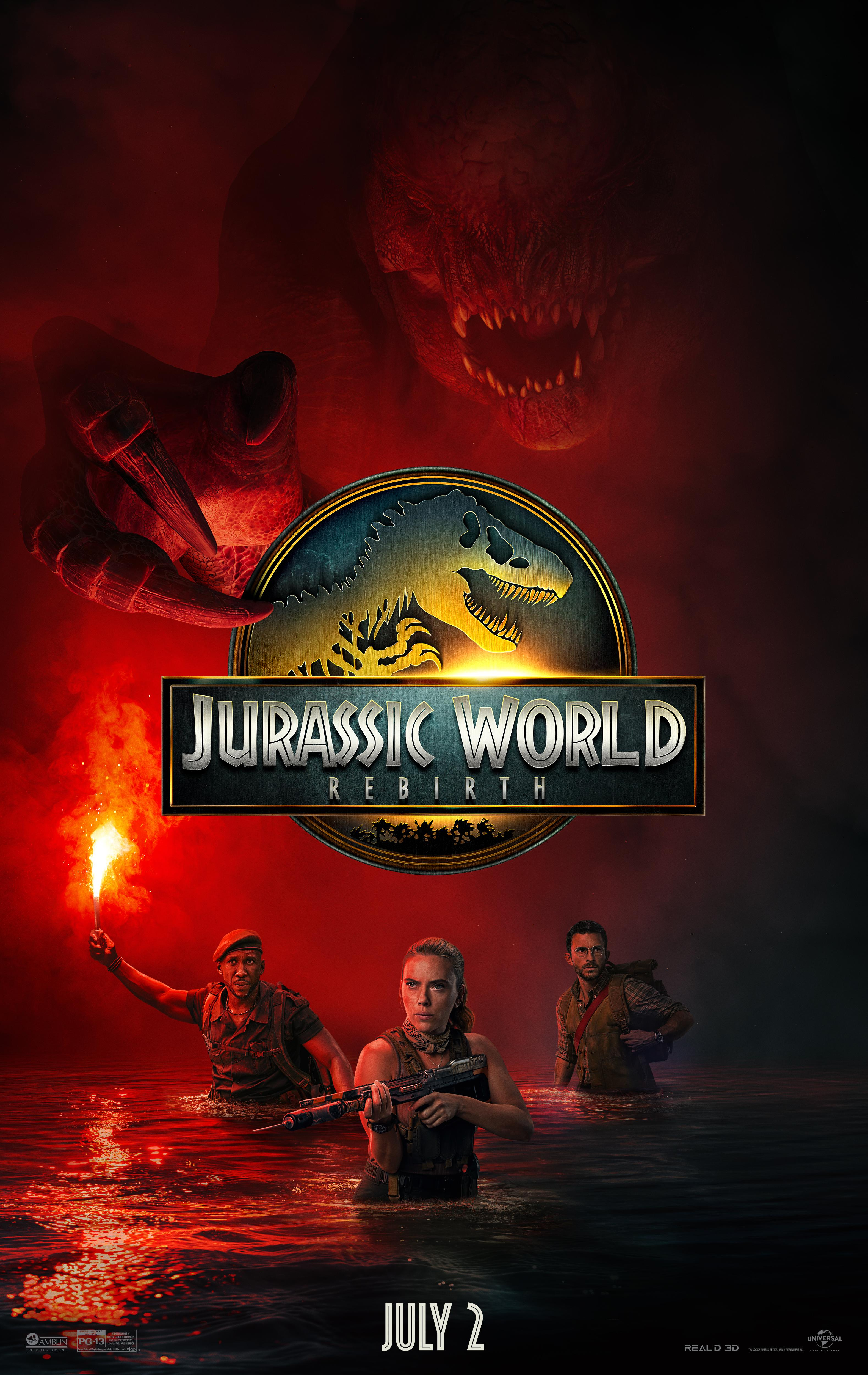
The Jurassic franchise began in 1993 with what’s still considered to be one of the greatest and most iconic movies ever made. Today, it continues to prove that its run its course and serves no purpose besides Universal’s cash cow. Only three years after Jurassic World Dominion supposedly marked the end of the franchise, Jurassic World Rebirth attempts to mark a new era for these films with a new age of global human-dino dynamics, and a new group of characters. Instead of utilizing this fresh start potential to breathe new light or direction, Rebirth is exactly what I feared — an unnecessary piece of nonsense that recycles the same tropes and quickly gets exhausting to watch. The characters are wooden and we aren’t given much material in order to understand or interact with them. Mahershala Ali is the definitive standout, always giving a lot of heart and likability to his role. However, a family that becomes a major subplot in the film takes up way too much screen time, and their appearances become more and more useless and frustrating the more we cut back to them.

In addition to its lack of effort in actually investing us in its characters, the concept as a whole works les when the film feels this rushed. So much has changed since the last film that it’s become a nearly pre-apocalyptic world, but a larger gap in time between releases and chronologically within the time of the franchise would’ve helped this make more sense. The dialogue also preaches much of its themes and directions instead of allowing the audience to learn or take much in visually. Besides a fun action scene set at sea, much of the action feels incredibly derivative and uninspired. There’s a serious lack of stakes and excitement, even if we’re told that the greater fate of humanity is at stake. The danger just doesn’t feel as thrilling because the film doesn’t set up its location or objectives with much clarity or heft.

Jurassic World Rebirth uses many of the same character archetypes and broader themes we’re used to from these films, while misses any real soul or thrills, or even any sense for that matter. It’s a tired return to a series that’s out of ideas and out of steam, and we’re left wondering what much of it really achieved, besides sticking the word Jurassic onto another film title and hoping crowds show up. Rebirth is concrete proof that it’s time to let the dinosaurs rest for a while longer, not just in reality, but on our big screens, too.

Elio

Elio is an young boy living with his aunt, who’s obsessed with the extraterrestrial and making contact with him. One day, the lonely titular boy gets his wish and finds the fate of the galaxy in his hands.

Pixar’s newest animated film is incredibly easy for families to enjoy and even find meaningful connections to, though its far from the impactful experience we’re used to from the studio. Best of all, it focuses on acceptance, self-esteem, and finding your way through loneliness and feelings of not fitting in. Zoe Saldaña, Brad Garrett, and Jameela Jamil all give entertaining performances, and the look of many scenes are colorful and gorgeous — from diverse alien species to their suits and intricately designed spaceships.

Audiences may connect to Elio’s strive to be accepted by others, and at its core is a sweet relationship between him and his aunt that feels like the film’s true heart. However, despite some entertaining humor throughout, it takes until the third act for the story’s drive to really feel exciting at all. It’s probably not the best or most original film about its themes, but also has a whimsical charm, great visuals, and a look and feel that will definitely entertain more than just the youngsters, and give some strong material for positive discussion among families about acceptance.

Thunderbolts*

After being lured into a deadly trap by CIA director Valentina Allegra de Fontaine, a group of antiheroes form an unlikely team to bring de Fontaine and her destructive plan down.

Thunderbolts* is oozing with energy and a deep care for its characters, with a darker edge of corruption and death to its subjects. Contrary to this February’s Captain America: Brave New World, Thunderbolts* thrives by allowing its cast’s charisma to roam freely, led by the incredible Florence Pugh. This time around, Yelena is the film’s lead, and Pugh taps into the character’s core of depression and emptiness, including her tumultuous relationship with her father, former Soviet super soldier Red Guardian, played by the vivacious and hysterical David Harbour, longing for glory again. Wyatt Russell and Hannah John-Kamen are also utilized very well, while Sebastian Stan returns as Bucky, who leads many of the others through a similar emotional arc he’s learned his way through. Geraldine Viswanathan is also a standout as Mel, assistant to de Fontaine — played in such a juicy performance by Julia Louis-Dreyfus as a menacing figure who will stop at nothing to gain absolute power and avoid all consequences for it. Though Lewis Pullman’s performance doesn’t have the same loose charm we may have felt from him in Top Gun: Maverick and Lessons in Chemistry, he also well portrays Bob’s awkwardness and the darkness enveloping his character.

The best part about the film is how the characters interact as a team — their action and combat scenes are awesome, the way their differences interact through banter and humor is greatly entertaining, and the way they utilize their strengths to solve problems (albeit reluctantly) makes them unique. Some characters’ arcs could’ve used more closure, and the final act and climactic battle could’ve hit harder, and it’s not as stylistically irreverent as Guardians of the Galaxy or The Suicide Squad, but like those films, it’s about people who want anything but to be heroes learning to find redemption by embracing one another’s differences and company, and stepping up and do the right thing. It may not be one of the MCU’s most visionary installments, but also may prove to be one of their more rewatchable in the future, as its cast of misfits and contagious energy stand out. If these characters weren’t your favorite in the MCU or anything close, that may just change for good after Thunderbolts* — an extravagant action/comedy that may be short on some wildness or development in certain aspects, but is certainly big on the excitement and reward.

Mickey 17

Mickey is an Expendable on a expedition to the space colony Niflheim — meaning a new copy of him is printed out every time he dies, which is more often than others. Soon, trouble ensues as Mickey finds himself in a dangerous situation and a fight to survive.

Bong Joon-ho’s likely largest production in sheer scale isn’t subtle in its themes, whether of human nature, fascism, or the arrogant abuse of technology, but it’s still clever, vibrant, and so full of heart, more than enough so to serve as an absolute blast of a film. The look and feel of the sci-fi settings feels original and Pattinson’s delivery of the titular character is likable. Mickey 17 is an insecure man/clone who’s somewhat at peace with the bleakness of his situation, but is fun to follow along and has the sudden urge to stay alive and fight for what’s right. He also has great chemistry with himself as Mickey 18, who’s only a few hours older than 17 but almost the polar opposite — hardened and occasionally ruthless. Naomi Ackie gives the film its soul; she’s so lively and wonderful as Nasha, who elevates Mickey as much as she’s on her own meaningful journey. Steven Yeun also shines as a sleazy and unrealiable but multi-dimensional frenemy of Mickey’s. The parallels between Mark Ruffalo’s character and certain powerful men in our reality aren’t hard to decipher, but he and Toni Collette entertain, even when their performances occasionally threaten to fall into caricature.

Mickey 17‘s magic is finding the humor and gentleness within the darkness. Mickey always sees his situation with a sense of irony, but Bong also finds care and soul within side characters who usually would feel disposable in other films. He never loses sight of the absurdity at hand but keeps elevating the stakes and with it, his signature expert eye. The film packs charm, exceptional world-building, irreverence, and characters we love, not despite but especially for their messiest parts.

Captain America: Brave New World

Sam Wilson has fully accepted and embodied the role of Captain America in a post-Blip world, but comes into conflict with President Thaddeus “Thunderbolt” Ross after an international incident that unveils a deadly conspiracy.

The latest Marvel Studios film, which tries its very best to pay tribute to political conspiracy thrillers such as In the Line of Fire and The Pelican Brief, occasionally entertains but ends up retreading too much familiar ground and feeling too flat. Though it’s great to see Mackie donning the titular suit and in the leading role on the big screen, his character isn’t given real meaningful impact besides what he already went through before and represents for others. Harrison Ford brings a deeper gravitas to Ross than we did in William Hurt’s portrayal of the character, but other characters leave much to be desired, particularly those played by Shira Haas, Giancarlo Esposito, and Tim Blake Nelson. The antagonist has an intriguing backstory but hardly feels plausible in his strategies and dialogue. Though Danny Ramirez gives a fun performance, Carl Lumbly is the only one giving real soul to the film as the fascinating Isaiah Bradley.

The film stumbles in its attempts to show the political consequences of some of the past MCU films, which is interesting but doesn’t deliver anything powerful besides a cool action backdrop. The script as a whole starts off much better as it ends, but even then is mostly rehashing ideas from The Falcon and the Winter Soldier, such as dangerous super soldier villains and the political and national representations of Captain America. Even compared to that miniseries, this film has far less soul, wit, or intrigue, with a half-baked villain plot that doesn’t lead to much. It also feels somewhat implausible compared to the rules that past MCU projects have set, but sadly, the film ultimately feels empty because it’s devoid of real thematic weight. Any attempt at such felt lousy and recycled, particularly the third act, in which the CGI is distracting and the resolution is rather underwhelming. Attempts to set up what’s to come in the MCU feel forced, and though this may feel serviceable enough as a big action film, it’s underwhelming as a Captain America film (considering how stellar the action and themes were in the first three) and ultimately forgettable, which is not what a film with Sam Wilson as its protagonist should be.