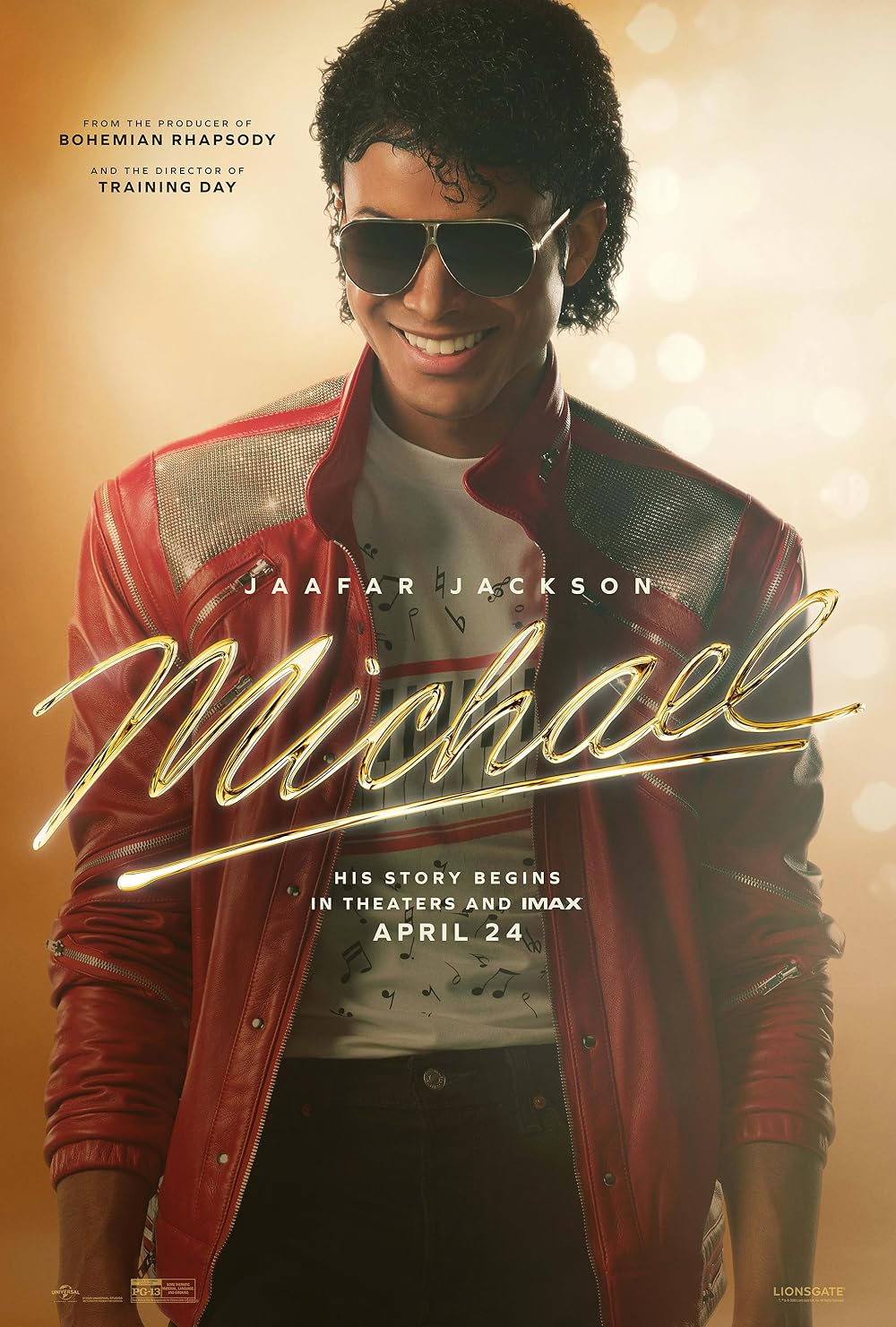
Michael

A musical biopic about a monumental pop star is a whole lot of spectacle that spends too much time with the familiar beats and too little time allowing us to feel the impact of his journey and his discography. Every character feels one-note or like a simple vessel to move plot points forward, even Michael himself. Jaafar Jackson commits himself to Michael’s amazing stage presence and dance moves, but the movie doesn’t allow us to feel much for Michael as a person outside of his circumstances and talent. Colman Domingo is excellent as Michael’s emotionally cold, controlling, and abusive father Joseph, but the film spends way too many repetitive scenes trying to show us that Michael desparately needs to break free from Joseph and pave his own way forward.

Any other theme this movie attempts to go for feels painfully underdeveloped, whether his rise to fame, health issues, activism, or the trails he blazed for black representation in mainstream arts. The things that are special to this musician are touched on briefly, while the movie instead insists on hitting all the familiar beats we’ve seen in countless music biopics. The real star here is the sound design, which dials everything up to an 11 during the concert and performance scenes and make us feel immersed in them. That unfortunately only encompasses about eight minutes of Michael‘s 127-minute runtime, which feels incomplete and like the team in the editing room had an hour they should’ve cut and far more story that could’ve already been told.

Though Michael Jackson’s songs moved the Earth and changed the course of the world, the movie doesn’t reach deep enough into the magic of his music and the work that was put around it. The film seems interested in making the case that he is indeed the greatest popstar of all time but clueless as to how to convince us, even those of us who already believe it, instead presenting us with a few of those extraordinary moments from the King of Pop’s life, while the drama offers frustrating lack of nuance that becomes more and more tedious. This missed opportunity of a film that tries a whole lot of everything with not much of it sticking at all. We should’ve been soaring with the hits and left better understanding the human being behind the legend, instead we feel like we’re interacting with caricatures, and then one of the greatest songs of all time starts playing every now and then.
Hoppers

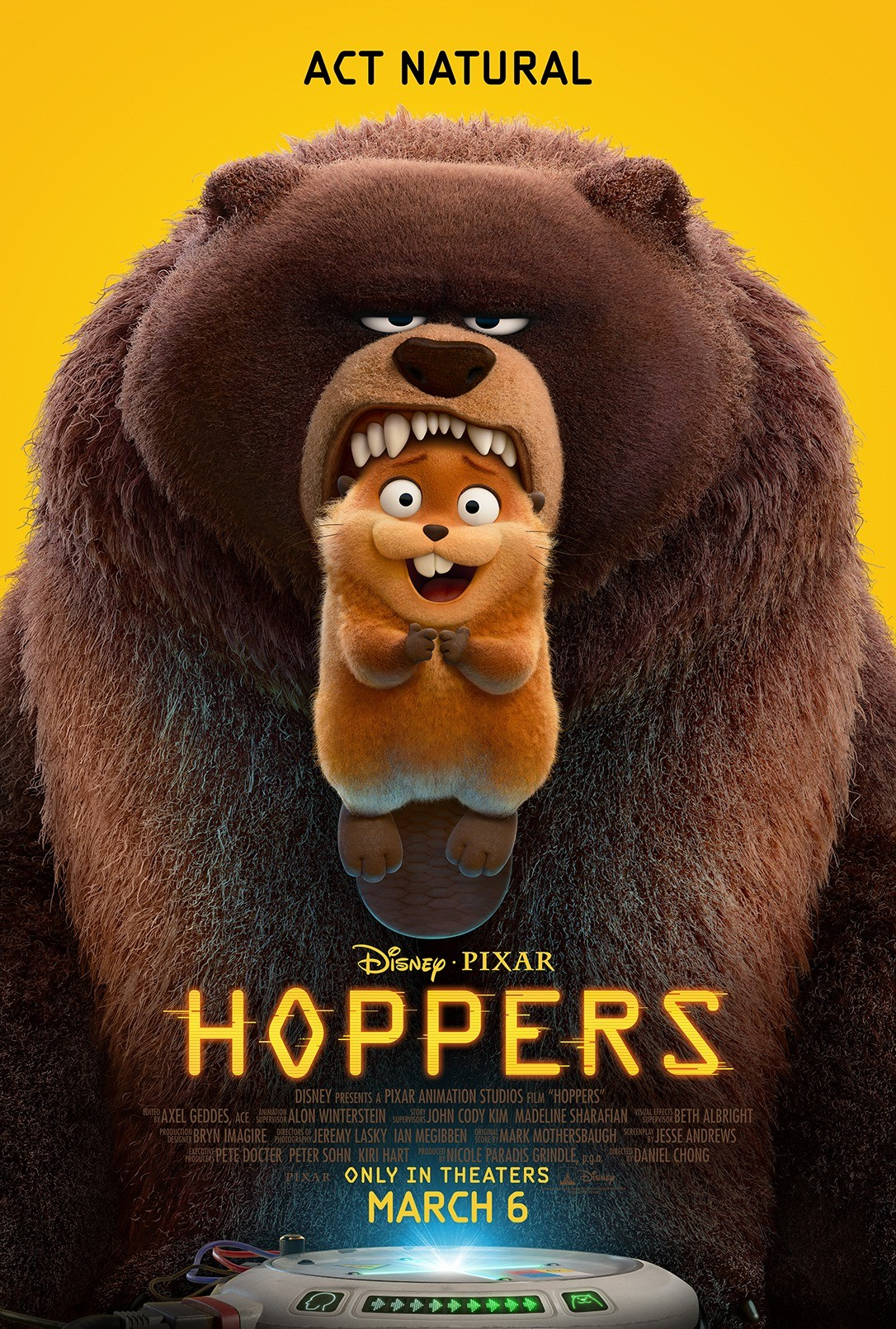
Environmentalist college student Mabel Tanaka has a very stressful deadline to save the glade she loves from being demolished and turned into a highway. Soon, she learns of a new technology that may help her form an alliance with the animals to save their habitat from destruction by a greedy mayor.

Easily one of Pixar’s funniest films in years, Hoppers will entertain in similar and unique ways among generations, but one thing’s for sure: it’ll be a huge hit for all who give it a watch. The lead character of Mabel is easy to connect with thanks to Piper Curda’s voice performance and the part’s passion for nature and love for her grandma. There isn’t a single weak link in the voice cast, and even the actors who are given just a few lines and/or scenes greatly stand out. The animation avoids photorealism and portrays something creative and watercolor-like.

The story and settings are lively for all ages, with the playfulness and comedy working well in coexistence with more serious themes about preserving the nature and wildlife around us, that children can grasp onto and discuss with their parents. Though the final act is a bit chaotic, it’s entertaining throughout and even keeps surprising you in every act.

The Bride!

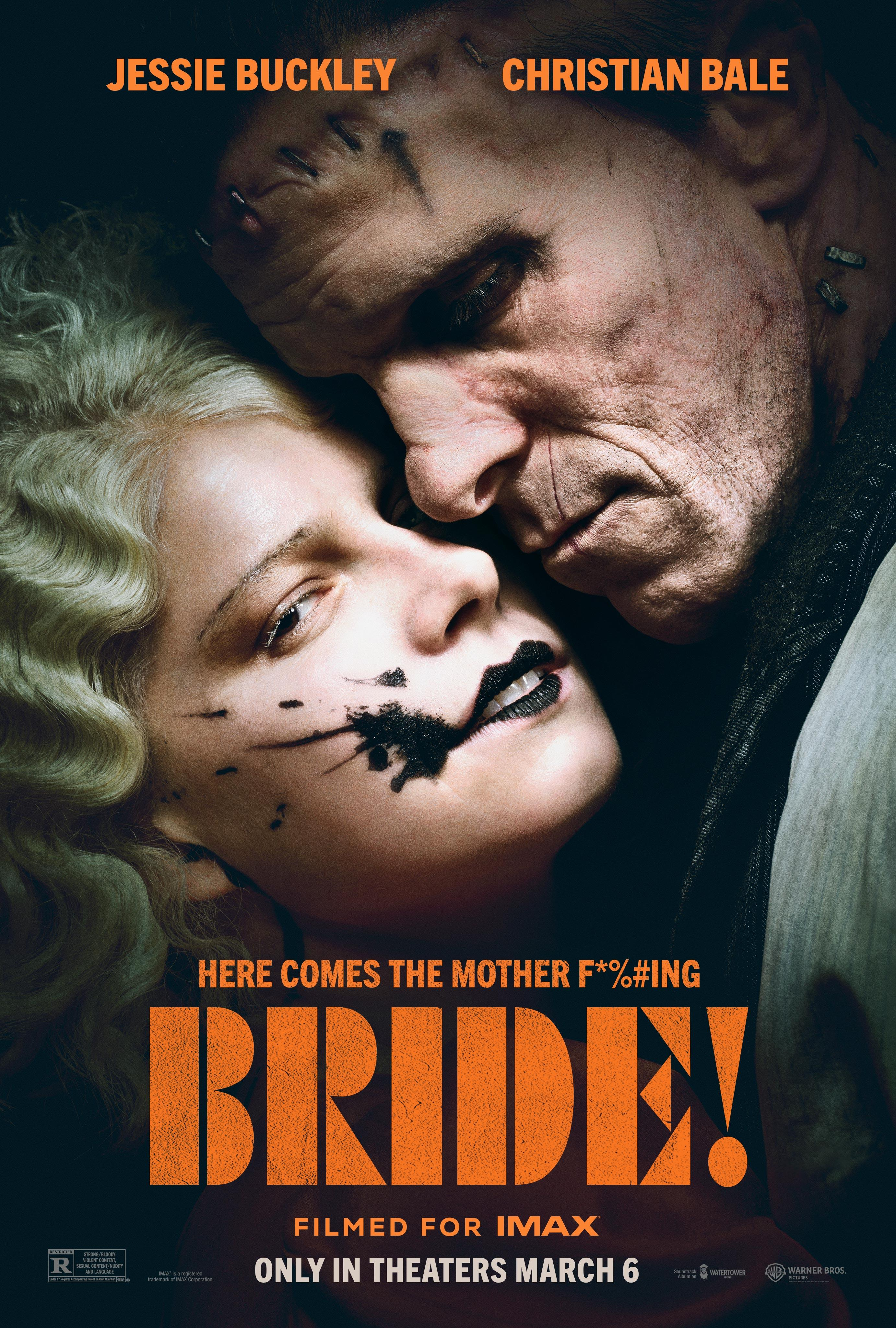
A fascinating concept that immediately becomes nonsense in execution, it’s almost impossible to believe that Maggie Gyllenhaal wrote The Bride!, as its the opposite of the subtlety and patience of The Lost Daughter. It attempts to be a more feminist take on the Bride of Frankenstein, while acknowledging other cinematic renditions of the story, including James Whale’s Frankenstein and even Mel Brooks’ Young Frankenstein, but it throws too much at the wall and none of it sticks at all. Not a single scene, story thread, character arc, or creative swing feels earned or even sensical in the final product. Even Oscar winners Jessie Buckley and Christian Bale, who are throwing themselves into these silly and unhinged performances, don’t get close to saving any of it.

The film aims for many themes that it fails to explore with any sort of substance, like female liberation or having one’s identity forced upon you. The detective characters played by Peter Sarsgaard and Penelope Cruz feel completely unnatural, and the dialogue is the film’s most glaring weakness; unsubtle, and completely groan-worthy at times. In another film, this level of cinematography (done by Oscar-nominated Lawrence Sher who was acclaimed for his neo-noir approach to Joker), makeup, and production design would have stunned, but here it just feels even more like a shame that the material at the center of the story for such a nice-looking production is so pointless and frustrating. This feels like it was only made because of a lot of good will for a known filmmaker, and at some point, you stop even trying to figure out who this movie was made for and what the point of it all is.

Ready or Not 2: Here I Come

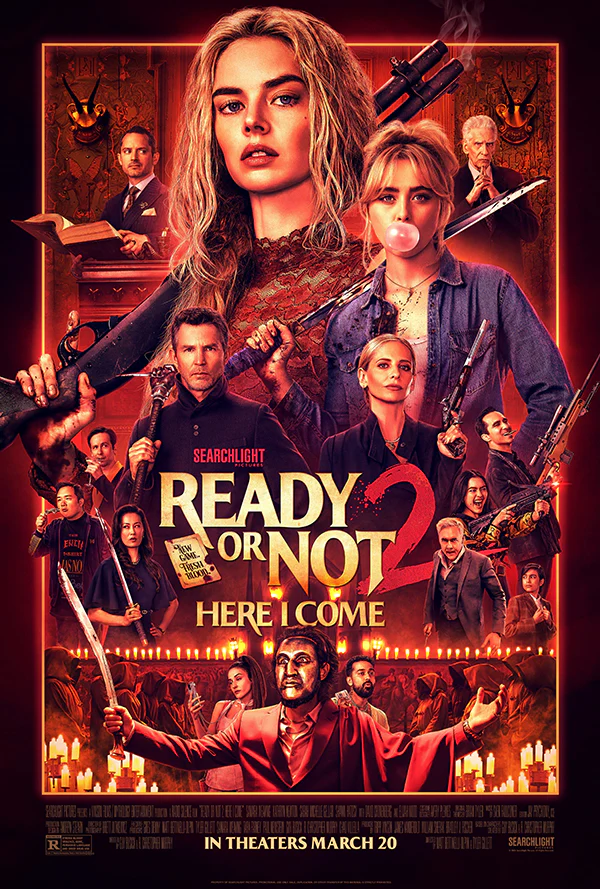
Moments after surviving an attempted Satanic ritualistic sacrificial game of Hide and Seek by her in-laws, Grace is pulled into a greater, global stakes world of survival by a game she hadn’t realized she’d triggered, only this time, her sister is in danger too.

Though not as funny, shockingly original, and nail-biting as the first, this is a worthy sequel that boasts the same level of insane violence thanks to Matt Bettinelli-Olpin and Tyler Gillett’s direction. Samara Weaving gave one of the most iconic horror “final girl” performances in the original film and continues here to solidify herself as one of the generation’s most outstanding scream queens. Her commitment to the role and the sheer terror Grace is unrivaled, though she’s been toughened by her prior experience with this madness.

What this film leaves to be desired that the first film nailed is the hilarious ensemble cast of antagonists, while here, only Shawn Hatosy and Sarah Michelle Gellar really stand out as the central villains, twin siblings whose dynamic twists and turns as the runtime progresses. Hatosy’s performance in particular is impressive and interesting to watch in every scene he’s in, while Kathryn Newton is great as Grace’s sister Faith, though the backstory between them is a bit haphazard and thrown in just for the sake of having some sort of conflict between them that needs to be resolved. Still, it’s thanks to the energy that the directors and writers provide to offers more than enough entertainment and satisfying irreverence and macabre, with an expansion and execution that makes this one of the more inherently earned sequels of the last few years.

The Drama

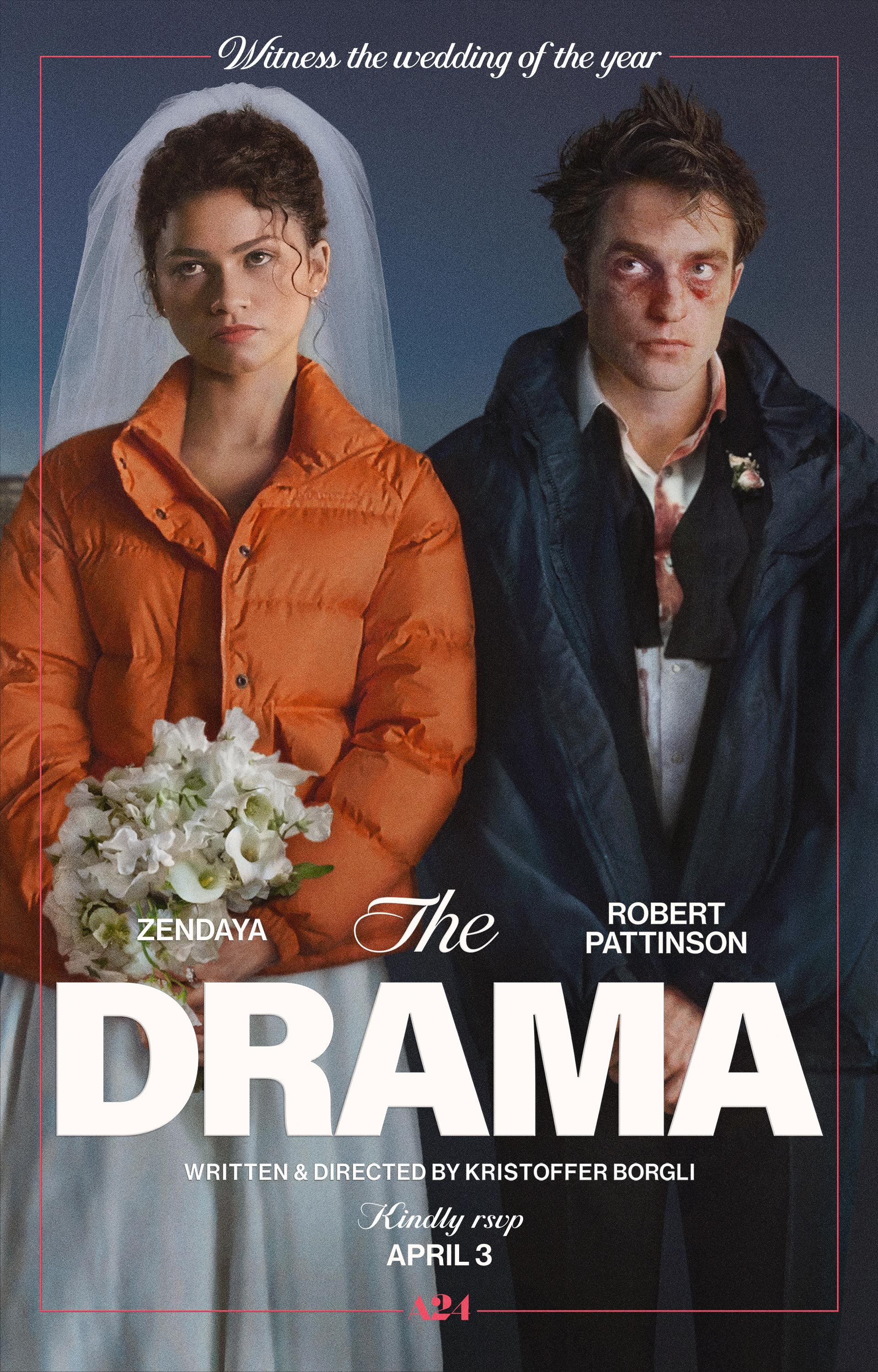
Charlie and Emma are happily engaged when a sudden turn of events sends their wedding week, and their entire circle, into chaos.

Rarely do those films come when a few minutes in, something happens that sends your jaw to the floor, and it stays there until the credits roll. When they do, it’s quite an experience to behold, and The Drama is a shocking, hysterical and unsettling example of that. Kristoffer Borgli’s follow-up to the brilliantly absurd Dream Scenario is far more real, far more us, in the way we might be too afraid to admit. Zendaya and Robert Pattinson’s castings play so well to their characters, but the film strips down their “star power” and the actors go to the boldest and ugliest depths of their characters. Alana Haim and Mamoudou Athie also round out the excellent casting, while Hailey Benton Gates is brilliant in a standout supporting role that’s nearly as transfixing as the two leads.

Borgli, who also edited the film, creates meaning in every cut, line, and even joke, with all the elements resonating in a thrilling and charged film that’s not really like anything I’ve seen before it. The film is deeply provocative in its themes that I haven’t seen almost any film approach so corageously and in such a necessary way. It’s about so many things, from the ease at which we judge, degrade, and turn on one another, to American society’s reward of excess towards human violence and suffering. It’s sure to generate conversation — including many important ones — for audiences who are able to stomach the bluntness by which it approaches its almost terrifying subject matter. It’s best to go in blind to The Drama but its unpredictable discomfort are also its hilarity and captivation by which your eyes are glued to the screen.

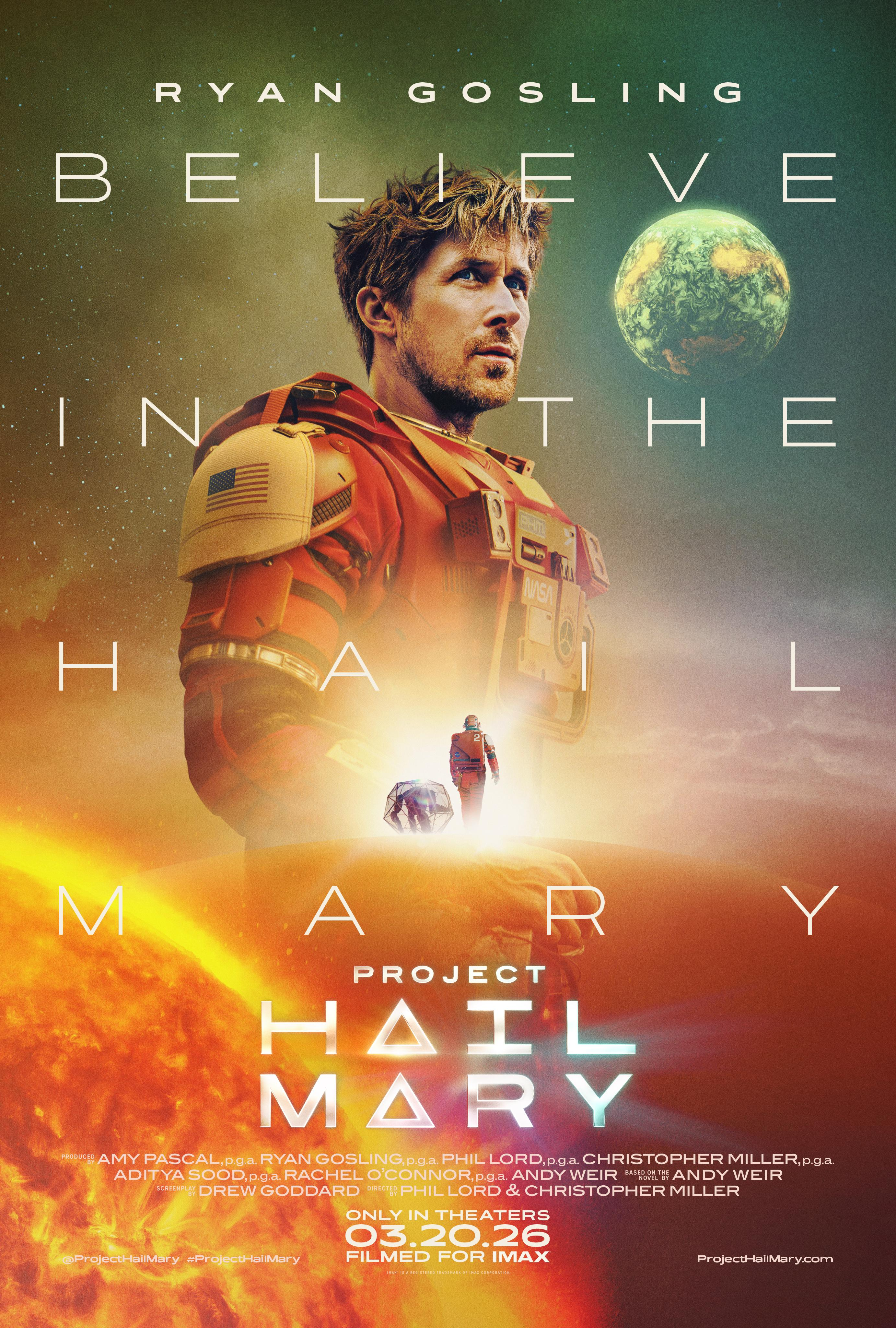
Project Hail Mary

Ryland Grace awakens on the spaceship Hail Mary far, from Earth, and attempts to piece together how he got there and what his mission may be, realizing how much really lies in his hands.

A space epic as urgent in its stakes as Interstellar, Project Hail Mary is a stunning experience that makes use of every minute to move you. Ryan Gosling proves on an even larger scale his charming leading man skills, imbuing Ryland Grace with a deep cowardice, yet a purity and longing that coexists within his apparent weakness is what makes this one of his most lovable performances yet. He is not the only magic at the center of the film — the puppeteering behind Grace’s alien companion Rocky is magnificent and creates a beautiful connection between the creature and the audience. Sandra Hüller is excellent as well and her presence as the authoritative and calculated Eva Stratt, in charge of Project Hail Mary, a global effort to send an expedition to a solar system beyond ours to save Earth from impending extinction, gives the film so much. Hüller takes on something so unexpected yet essential by stripping Stratt of the coldness felt from the character in the novel, which here feels like a necessity rather than a foundation to her being, making the character not just a figure of control but of empathy.

The visual effects, cinematography, and production design are spellbinding and maintain grand scale while conveying the character’s sense of isolation and his dire circumstances. The film also has a loose and unpredictable sense of humor while maintaining its serious through line of stakes and objectives throughout its epic runtime. Despite the seriousness and tension at the center, there’s something life-affirming that Project Hail Mary discovers was always at its heart: from fear and uncertainty come the most powerful and beautiful forces in the galaxy. The film hits all the right notes, whether the buddy humor, sweeping space journey, or effortless direction from Phil Lord and Christopher Miller, who create something universal (no pun intended), hopeful, and impossible to miss on the big screen: one of the most resonant, wondrous, and flat out perfect blockbusters of the last few years that you might not want to end.