

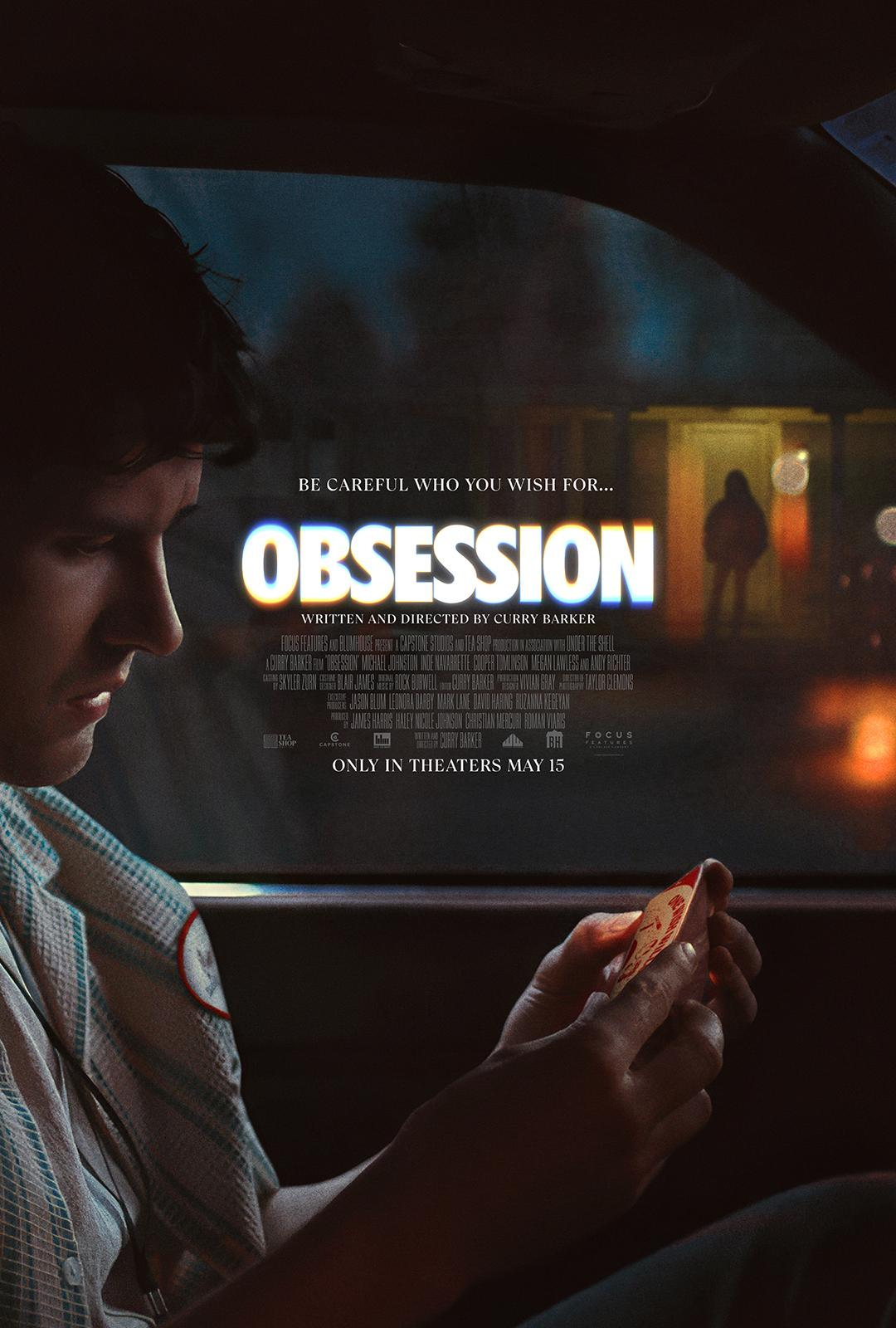
Bear wishes for his crush Nikki to love him more than anyone else in the world, but when the wish unexpectedly comes true, things slowly but surely start to get out of hand.
Though we’ve seen many films about “being careful what you wish for”, none have transcended the concept quite like this one into a terrifying and bone-chilling experience that’s destined to become a modern horror classic. The film examines romance, gender roles, and even the tired and true concept of possession in a way that’s far more twisted and demented than any other movie in recent memory.
At is irresistible center is Inde Navaratte, giving one of the best performances the horror genre has ever seen as Nikki. When we first meet Nikki, Navarette allows us to discover a full and layered person and a part of her own story, far greater than the image Bear sees her as, and when the wish begins to take control and basically puppeteer her body, Navarette is chilling in every moment. Her physical commitment is unpredictable as the actor embodies an inhuman entity in a human body, including the physical toll it takes on her. All that also gets so under our skin by reminding us pretty often that this was all our main character’s doing.
The film thrives in ambiguity, including the rules behind its supernatural elements (and the way it presents them through sound in a particularly horrifying scene), and the difference between love and entitlement. When the film starts holding less and less back, we’re not captivated because of the “wish gone wrong” but because this story is ultimately about chivalry and cowardice, and how self-image breaks into a gruesome possessiveness that is too weak to face actual responsibility. Bear may have a sympathetic start, but his willingness to fall into a control while avoiding responsibility for the sickly harm he’s imposed makes us unsettled to be spending such long shots with him so close to us in the frame. Obsession is what begins when love’s uncertainty is removed, and when fantasy becomes a corrupt currency of power. The film’s most horror-like moments are so visionary that they’ll stick with you long after the credits roll. It’s one you’ll need to shake off days later and will likely come to define the 2020s in horror.


 filmtoppings.com