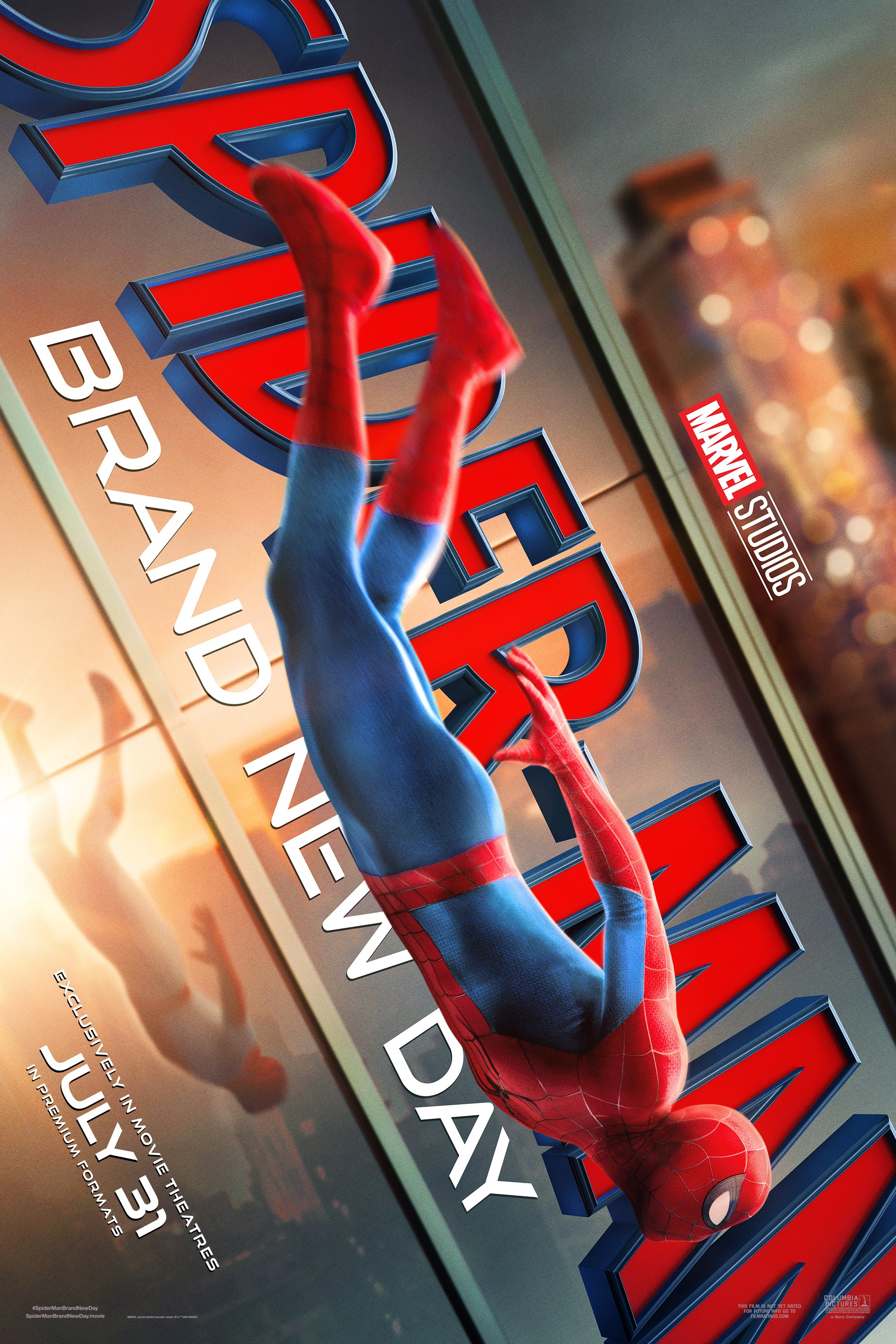
Four years after the events of Spider-Man: No Way Home, Peter Parker has been forgotten by the world and has isolated himself as he fights crime full-time as Spider-Man. His past and future converge as he investigates a new threat and undergoes a potentially dangerous evolution.
Spider-Man: Brand New Day is very much a continuation of the web-slinger’s MCU arc, while marking a new chapter and direction for the hero. Peter’s sacrifice leaves lasting consequences of guilt and grief for him as he enters a humble era in his life where he’s become a private detective of sorts and a city-wide hero. This sleuth side of Spidey is very fun to see, as are the changes and solitude he’s put himself through since losing everything. That said, though we’re out of the high school era of the character and in a far more emotionally heavy arc, the movie still has plenty of humor to offer. Jon Bernthal’s inclusion as the Punisher fits seamlessly into Spider-Man’s MCU tone, especially thanks to the fun dynamic he and Tom Holland form onscreen. Zendaya continues to prove herself to be one of the most outstanding performers in these films, as MJ has evolved significantly. It’s also a delight to see Tramell Tillman and Liza Colón-Zayas here, who are perfectly cast and deliver so much presence and intrigue.
The conflict itself takes many unexpected directions, and even if it treads familiar ground, all of it feels emotionally true and fleshed out. The stunt choreography is also one of the film’s most glowing stars, with expertly crafted action scenes and some of the coolest across all four of the films. It feels like the conclusive nature of No Way Home is still honored here, as Destin Daniel Cretton sets out to rewrite the DNA of the Tom Holland Spidey saga, but all the heart we felt from his portrayal of the character before, as well as his bonds with Zendaya and Jacob Batalon’s characters, are all there, too. That former film is still honored with the fresh direction here, but what feels strongest in Brand New Day is that we’ve seen the character truly mature over his multi-film cinematic journey, and while all that comic and film fans hold dear about one of cinema’s most beloved heroes is front and center, there are also plenty of surprises for fans and casual moviegoers alike.