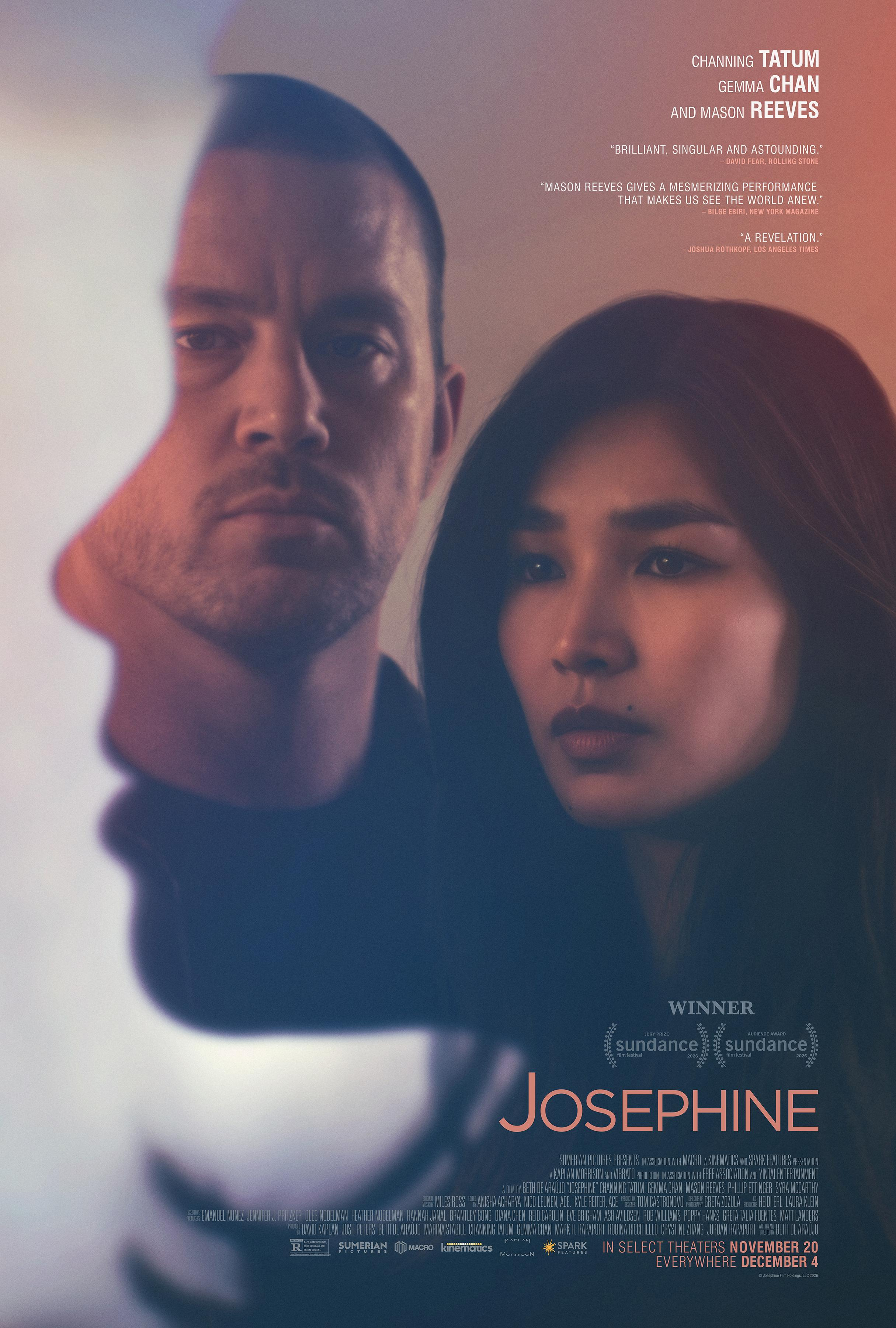
Josephine

A visceral work of art that will make you sick to your stomach but generate the most necessary and important conversations between people, Josephine is a singular achievement that may have you holding your breath for two hours straight. Mason Reeves gives a spectacular breakout performance as a young girl who witnesses a harrowing event, and as trauma manifests as a coping mechanism, her childhood forcefully slips away from her. Her parents are both portrayed with career-highlight turns from their respective actors. Channing Tatum hasn’t been this gut-wrenching since Foxcatcher, and Gemma Chan gives one of the most captivating and realistic portrayals of a mother I’ve seen in recent media.

The cinematography and editing pull a psychological trick on you that makes you unable to distance yourself from the lasting pain inflicted on these characters’ worlds. It won’t be for the faint of heart, but that should no longer be an excuse to not watch a film like this. Rather, it’s a call for everyone to allow its effect to live on, no matter how uncomfortable.
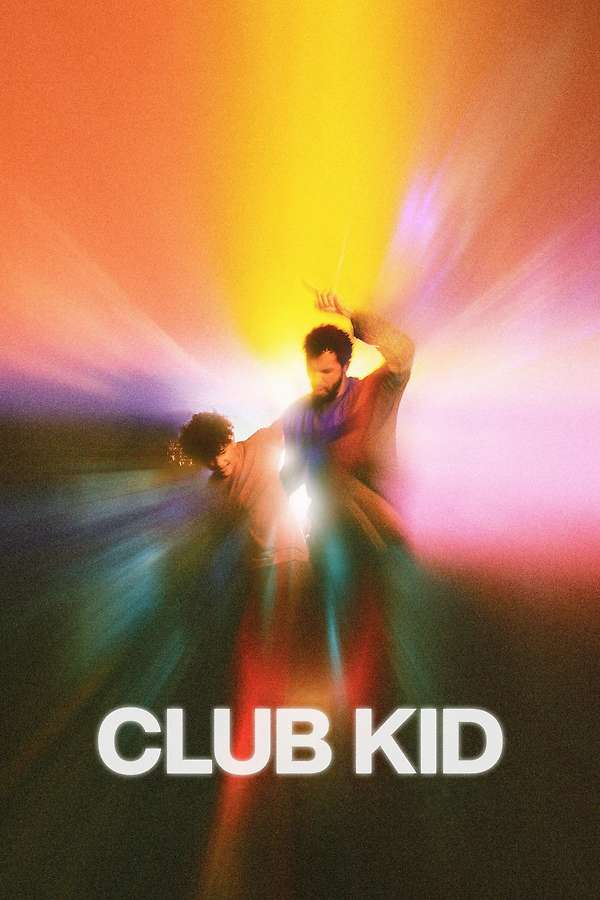
Club Kid

Jordan Firstman immediately proves himself an expert director, writer, and leading man with Club Kid. Stepping into the dual role of star and filmmaker, Firstman stars as a party promoter who just does not have a hold on things in his life, shining with effortless comedic timing and razor-sharp, hilarious dialogue.

From its opening scenes, the film is genuinely, consistently funny, backed by a great soundtrack and smart music references that make the nightlife world feel intimate and modern. Firstman directs with a sharp sense of rhythm and lots of close shots. At the center of it all is his dynamic with breakout co-star Reggie Absolom. The duo bounces off each other with easy chemistry, giving the comedy its heart and making every chaotic exchange work.

What makes Club Kid stand out beyond a sharp nightlife comedy, however, is how deeply human it remains underneath all the noise. Beyond the authenticity, the movie is refreshing for not treating masculinity and queerness as mutually exclusive. Vulnerability, tenderness, and responsibility coexist without its queer characters being labeled, stereotyped, or defined by any sort of suffering. But beyond the fun is a lot of heartbreak that feels real without demonizing any of its characters or forces, while offering light and hope without giving anyone a “have it all” sort of ending. One of the most entertaining, emotional, and expertly executed films this year, Club Kid has warmth, laughs, top-tier music references, and even some tears.

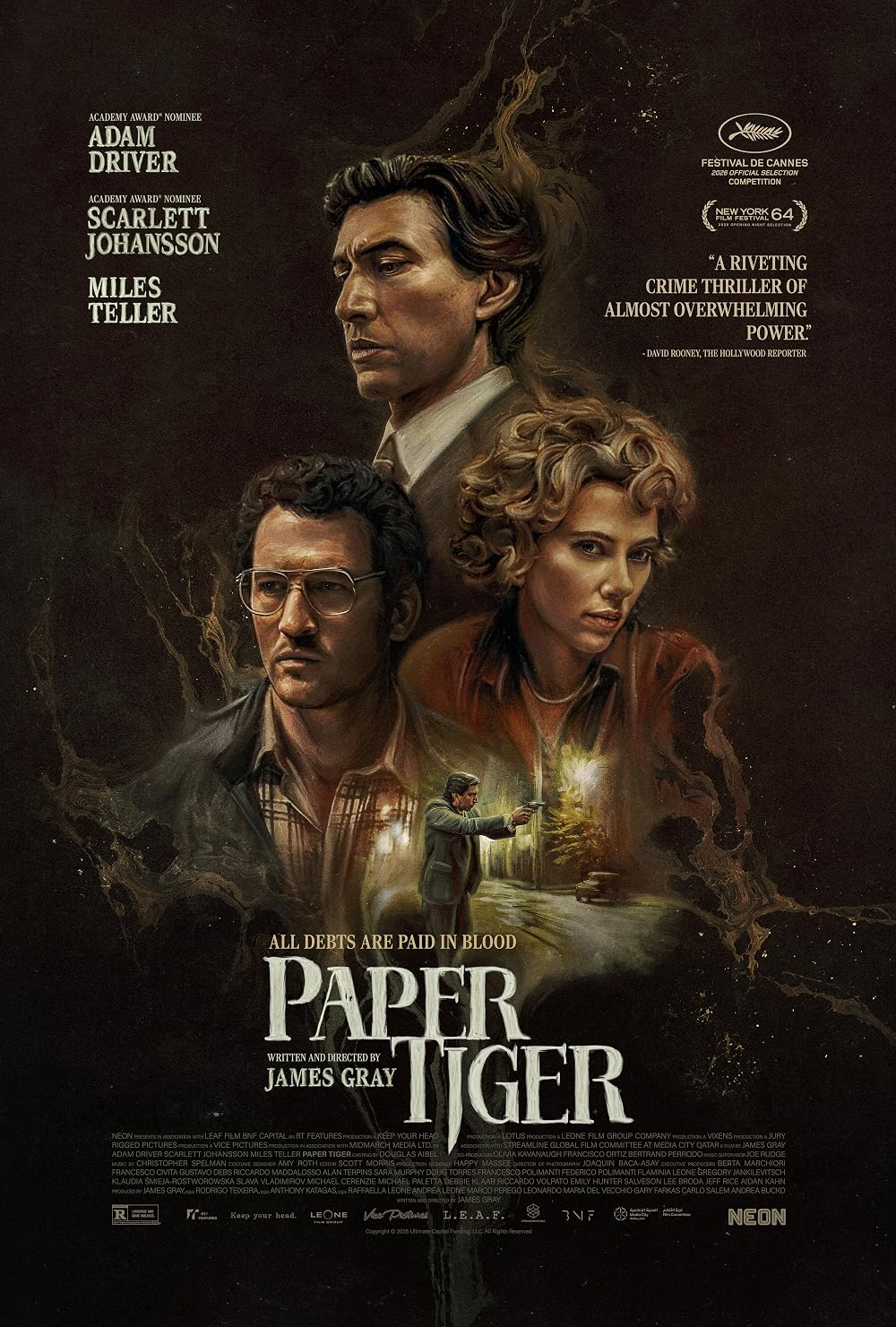
Paper Tiger

James Gray assembles a riveting trio of lead actors in a story where any familiarity is drowned out by the talent of its stars and the thrill of its screenplay. Miles Teller plays a patriarch who enters business with the mob, alongside his brother, played by Adam Driver, who is excellent here as always. At the same time, Scarlett Johansson gives the film much of its emotion as Teller’s character’s wife.

Though the hook of the plot may feel familiar, the push and pull of this brotherly dynamic keeps the film emotionally riveting, as do the performances of a trio of exceptional actors. One scene imagines and exercises tension so brilliantly that it’ll definitely be the mainstay in your memories of the film long after you’ve finished watching it. It may be James Gray’s most interesting film yet, and worth a watch for all fans of crime films.

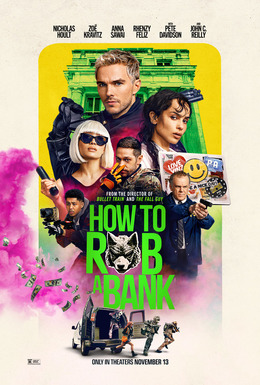
How to Rob a Bank

For years, heist movies like Ocean’s Eleven have told us stealing loads of money is cool and sexy, but How to Rob a Bank doesn’t make that case. Yet, it’s still tons of fun thanks to its fast pace. The main characters of this film are bank robbers who run the titular YouTube channel, condemning the establishment for cheating, oppressing, and abandoning the bottom 99%, all while encouraging people to break a few laws themselves.

The film doesn’t give you easy answers, hitting you dead in the face with the pitfalls of capitalism, but also capturing the dangers of social media and the internet in inciting violence and anarchy. This anarchic energy mixes well with the humor to make something very entertaining, if quite predictable. John C. Reilly is the undeniable standout. By subverting the clichés of the hardened, no-nonsense federal agent during the criminals’ trial, he injects the story with much-needed warmth. Zoë Kravitz elevates an already sharp role, while Anna Sawai commands the screen whenever she appears. The one character the film hadn’t quite worked out how to get us to fully understand their decisions for most of the runtime is its main character. Ironically, Nicholas Hoult’s protagonist struggles to connect; the script withholds the emotional grounding behind his destructive choices for too long, though his arc clicks into place right at the finish line.

A few unexpected but expert soundtrack choices brilliantly elevate what’s happening, and vice versa: the scenes in the film even elevate the meaning of the songs. It won’t necessarily surprise you and gets too repetitive and on-the-nose sometimes. However, the humorous dialogue and energetic action still make it worth your while if you’re an action movie fan.

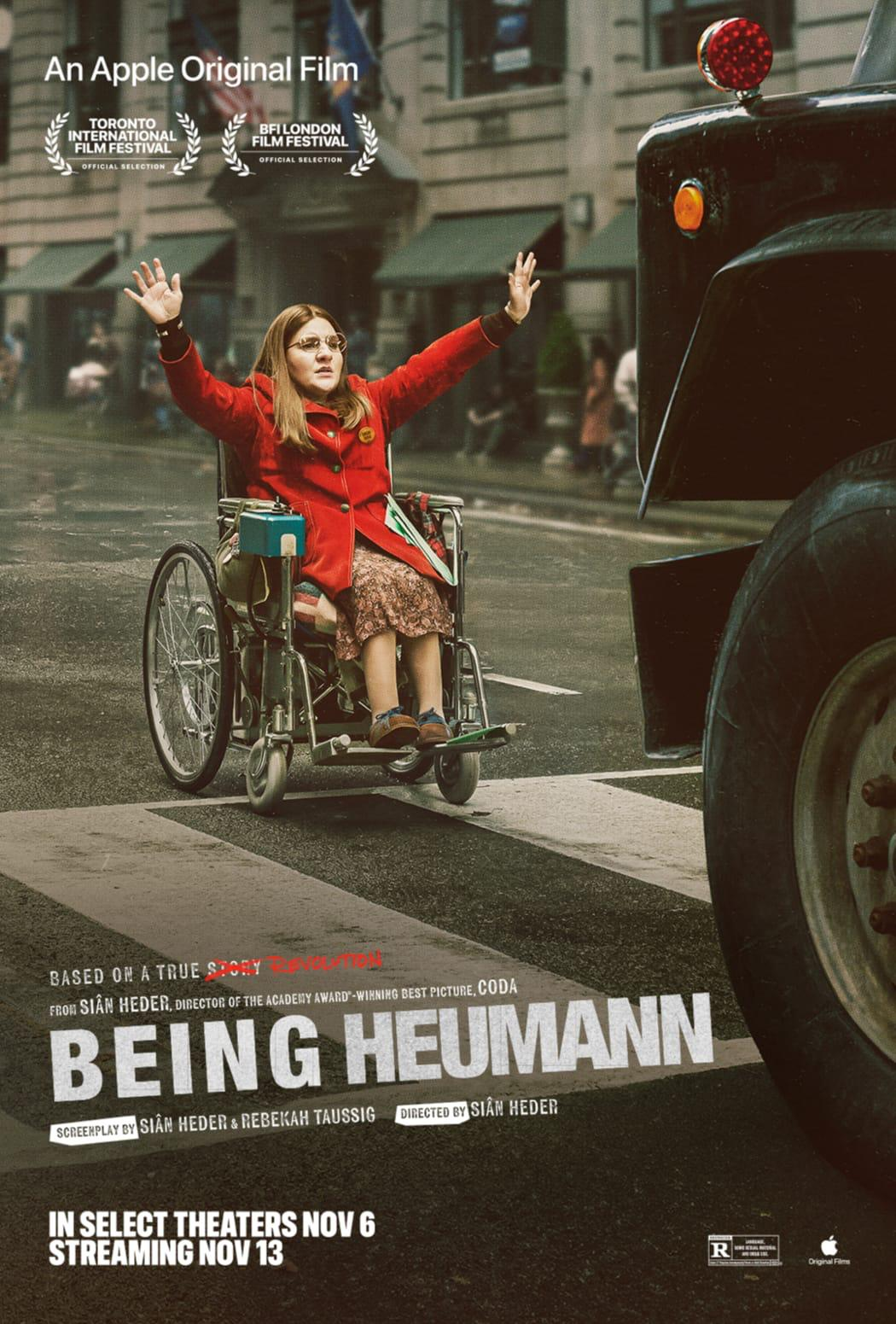
Being Heumann

In 1977, disability rights activist Judy Heumann led a 28-day sit-in in San Francisco’s Federal Building, together with dozens of activists fighting for equal rights and accessibility in a society that ignored and marginalized them.

Being Heumann uses that landmark moment to ask a pressing question for today: when did we stop caring about problems that aren’t strictly our own? If a movie is going to remind us to stand up for one another, to treat humanity as a collective front rather than ignore what’s inconvenient to us simply because it isn’t our problem, that movie is Being Heumann. Ruth Madeley is an instant powerhouse as Heumann, capturing her unwavering resolve and morality in the face of adversity and ignorance, as well as her insistence on looking out for her community and speaking truth to power. The ensemble cast of disabled actors around her is rich with soul and inspiration.

Dylan O’Brien is also a standout as a reporter who begins covering the demonstration and soon finds himself standing up right beside the activists for their cause. The film also doesn’t portray powerful figures as menacing bigots, but rather as people unwilling to take action to better their society simply because it’s uncomfortable and out of their way, as if to tell us as the viewer that we can look beyond our comfort zone and see where we can stand up for others whose issues may not be our own but shouldn’t matter to us any less. The film is sure to lift up any viewer with a heart and remind us about today’s greatest obstacle to societal progress: that quiet indifference may be an even more dangerous enemy than outward prejudice, and that each person has the tools to show compassion, solidarity, and integrity, all while highlighting actors and struggles within the disabled community in a trailblazing manner.

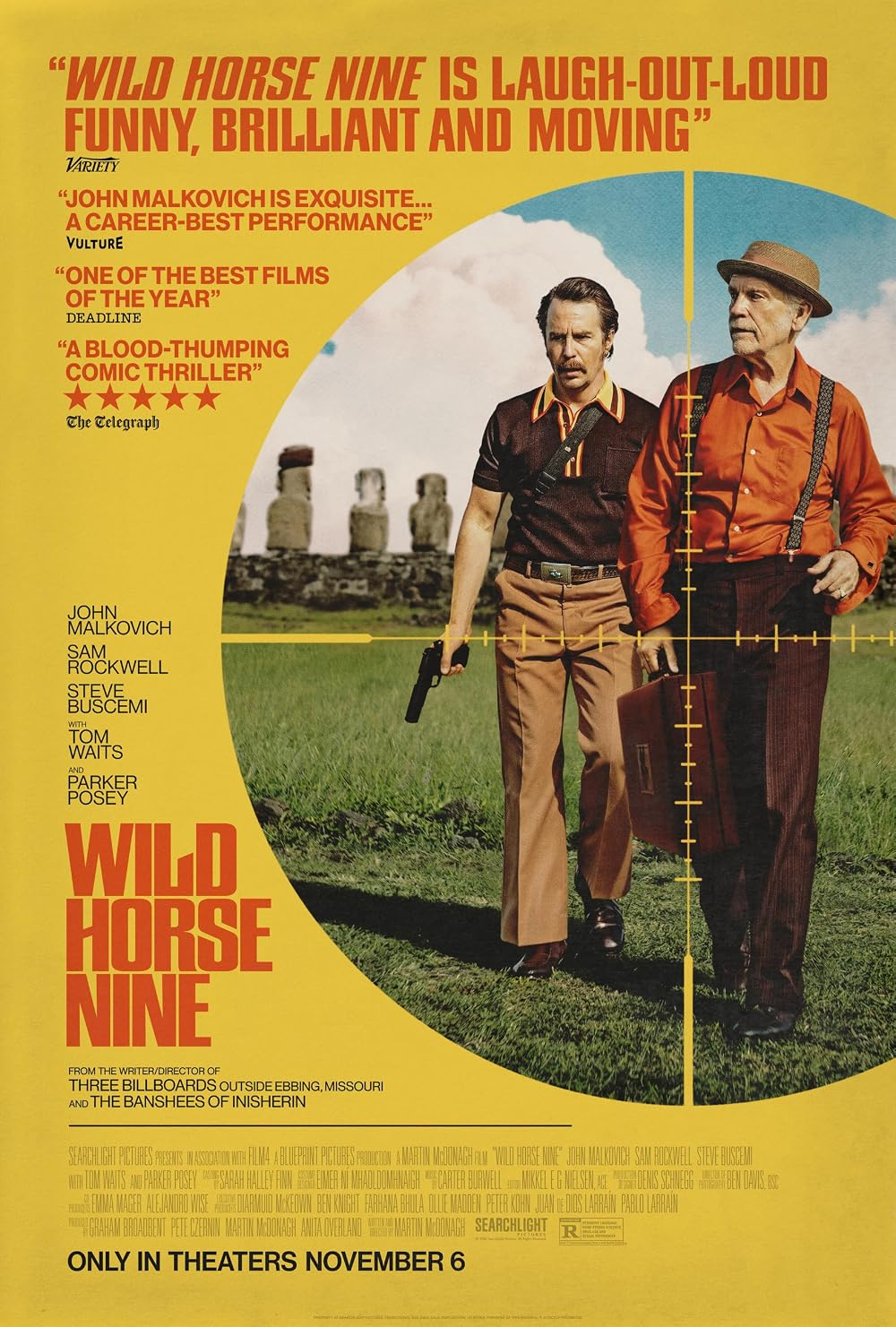
Wild Horse Nine

Martin McDonagh’s latest film focuses on two CIA operatives stationed in Santiago who head to Easter Island on vacation, a trip that reveals a darker purpose.

After delivering storytelling masterclasses like The Banshees of Inisherin and Three Billboards Outside Ebbing, Missouri, McDonagh returns with another contender for his finest work. It’s one of the funniest, most emotionally contemplative, and historically resonant films in years, finding profound meaning in the kind of wicked absurdity that only McDonagh could conjure.

John Malkovich is extraordinary as a veteran agent consumed by cynicism and disillusioned with the crumbling world around him. In lesser hands, he could’ve been little more than a rabid dog biting back at the world. Instead, Malkovich finds a remarkable stillness beneath the rage, moments of clarity that reveal profound dimensions to his character. Sam Rockwell delivers one of his finest performances, bringing an irresistible warmth and humanity to the film. Their magnetic chemistry is elevated by McDonagh’s hilarious dialogue, which finds unexpected moral and historical weight beneath even its most outrageous exchanges.

Steve Buscemi is also at his most brilliant, while Parker Posey steals each of the few scenes she inhabits. Beyond its emotional heft and wicked humor, the film confronts the seemingly endless cycles of political tyranny, suggesting that humanity remains disturbingly incapable of learning from its own history. It makes for the superior pick to see in theaters, whatever your cinematic preference is: fun, thoughtful, charming, or devastating.