Clayface

After actor Matt Hagen is disfigured by a notorious mob boss, he volunteers for a new experiment to restore his face in an attempt to save his reputation, only to realize the procedure is much more than he bargained for.

Clayface finds its footing early with a storyline that offers a unique hook within the superhero genre (a problematic, disgraced Hollywood actor), though it eventually slips into the familiar science jargon typical of movies about ordinary guys accidentally transforming into superpowered beings. What ultimately saves the film is its immense, uninhibited gore, which delivers plenty of fun as it evolves from a standard DC villain origin into extreme body horror. While Tom Rhys Harries is well-cast in the titular role, it’s Naomi Ackie and Max Minghella who provide the most compelling work in the cast, with Minghella particularly standing out as a Gotham City police officer.

The writing occasionally stumbles into weak dialogue traps and could have used tighter execution, and certain scenes feel aesthetically underwhelming. Even so, the over-the-top action and body horror offer plenty of entertainment, even if you can see every predictable step of where the film is headed. Whether or not you’ll enjoy Clayface is fully dependent on how much you’re able to embrace its innate ridiculousness, and if you’ve got a stomach for mutilations; though if you’ve seen The Substance, you’ve already been through much of this film’s story beats.

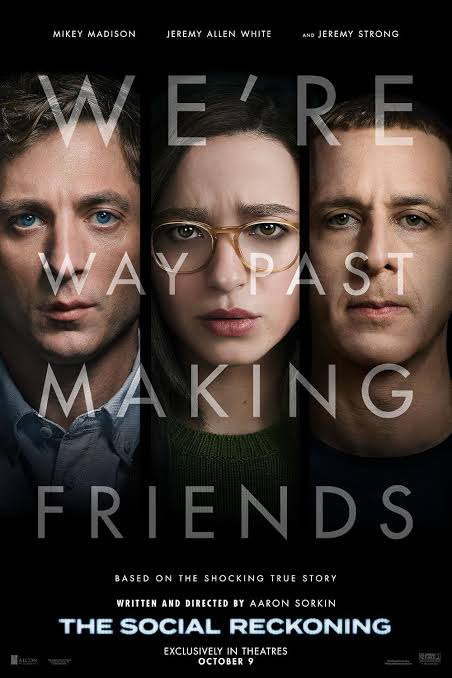
The Social Reckoning

Aaron Sorkin returns to the playing fields of Facebook and Mark Zuckerberg, only with a far more urgent and relevant call to take action on big tech’s omnipotence and its manipulation of us. Though Jeremy Strong’s turn as Zuckerberg feels inferior to Jesse Eisenberg’s performance in The Social Network, he effectively portrays the ego that comes from leading the most trusted and revered communication platform, including the lack of responsibility to anyone but himself, even its billions of users. Mikey Madison and Jeremy Allen White are the film’s most important dynamic, portraying a reluctant whistleblower and a journalist who’s empathetic and refreshingly clueless at times. Betty Gilpin is outstanding and a scene-stealer here as a figure of authority who’s easy to root for, even when she’s harsh on her employees. Bill Burr also has many of the film’s best scenes and lines, while Wunmi Mosaku and Anna Lambe deserve shouts as well in Sorkin’s well-rounded cast.

Sorkin’s dialogue is often strong and finds the right time for great humor, though it isn’t surprising at this point in film to depict the sheer narcissism and societal control that comes to those with unlimited resources. It may underwhelm in comparison to its predecessor, but it tells a story that feels important without losing sight of the absurdity of the power of tech giants and their abuse of it for the sake of numbers and face.

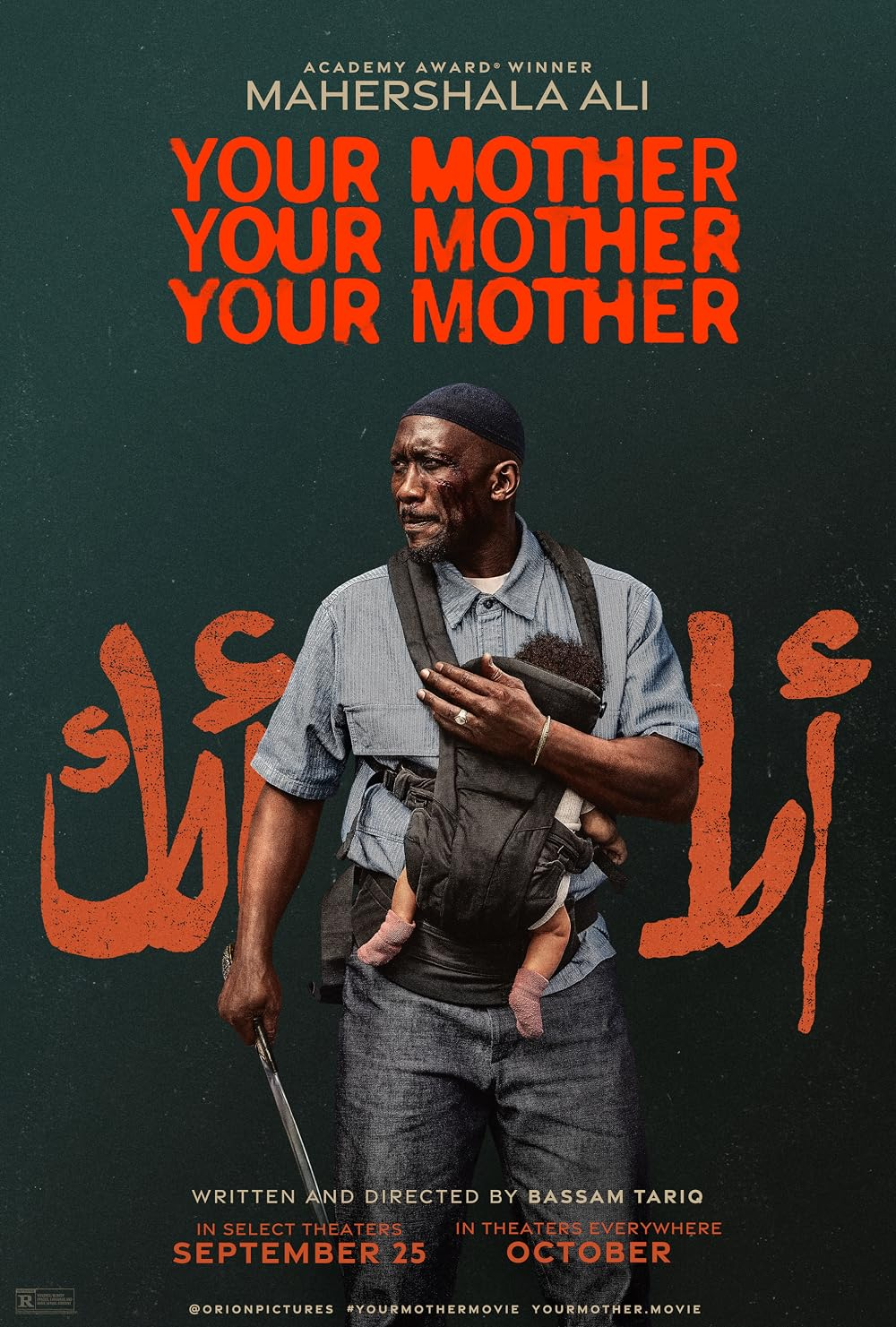
Your Mother Your Mother Your Mother

One of the best films ever made about a hitman, this spiritual, familial take on a life of violence is more than meets the eye, thanks to Bassam Tariq’s excellent direction. Mahershala Ali gives one of his deepest performances and commits to the character, feeling like a father first, from a decisional and instinctual perspective.

The violence is limited but visceral, and Son Lux’s score stands out powerfully. John Cho plays an astounding antagonist who feels like he could’ve emerged from today’s deepest, darkest corners of the internet, and Giancarlo Esposito continues to provide gravitas to every role he embodies. If anything is jarring, it’s the final twist that may take a moment to unpack but works well with the film’s tonal and thematic threads.

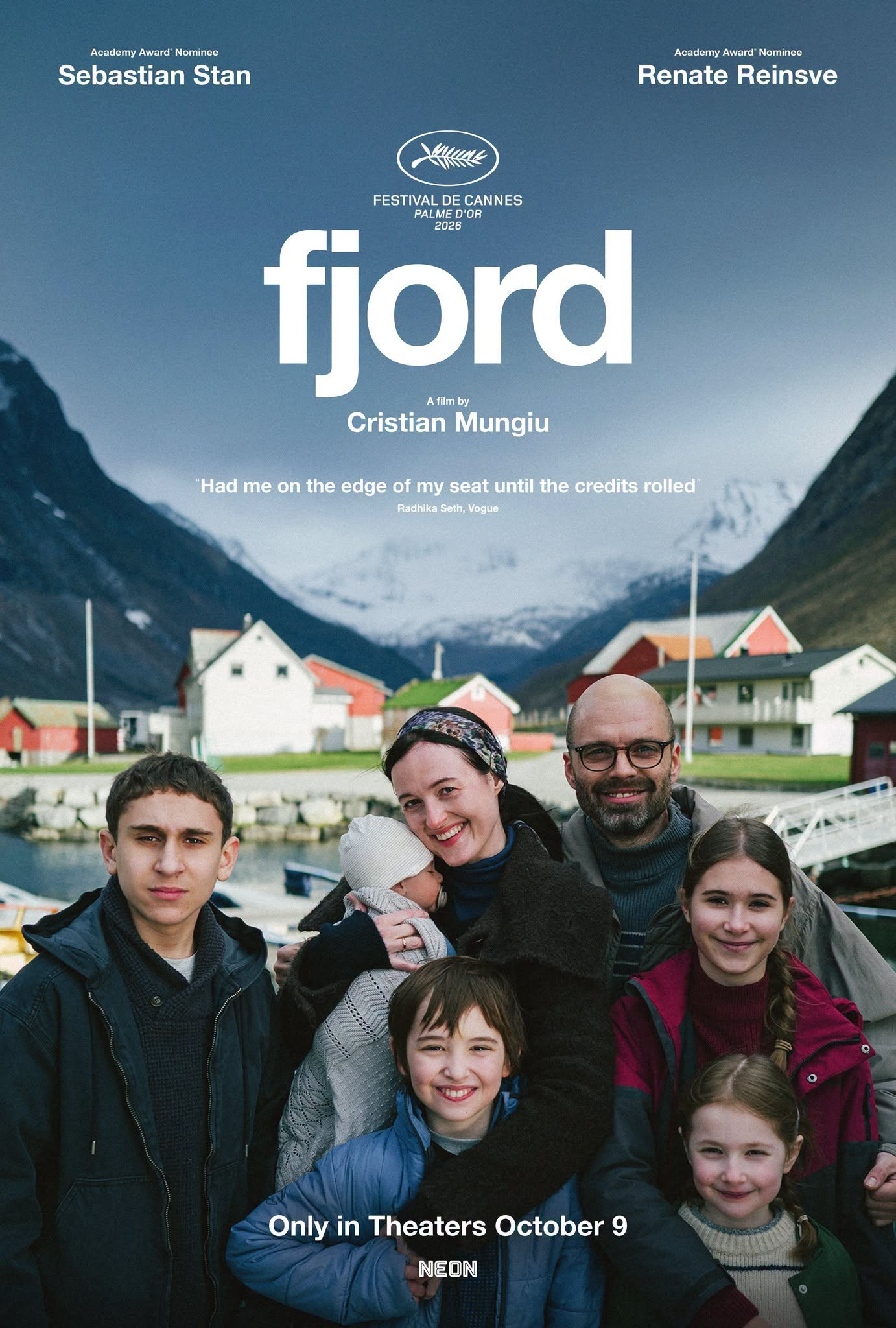
Fjord

Fjord opens in a small, isolated town in Norway, beautiful and spacious, that hides some darker secrets within its citizens’ nature. Christian Mungiu’s screenplay takes away the classic narrative trick of giving us (a) character(s) who come off as role models that we can completely see ourselves in. Instead, we are brought into an incredibly uncomfortable situation where nobody is quite “right”, but we sympathize with the majority of them, even if we can’t look at one person and declare that we’d live our lives the way they do.

Sebastian Stan is giving his best-ever work, disappearing into a hardened and charisma-free character, and Renate Reinsve is sensational as the main family’s matriarch, never allowing us for a moment to forget why we feel for and care about these characters, even if we disagree with some of their actions. Mungiu embraces long takes rather than individual coverage to create sweeping intensity and elevate the stakes beyond the personal to the societal.

Over its epic 2.5-hour runtime, the film unravels a truth integral to understanding the structure of any society, from the beginning of time to our era today. It leaves you with no solutions or answers, no clear sides, yet it’ll get deeply under your skin and spark the most important and introspective conversations that the most profound and uncomfortable films should.

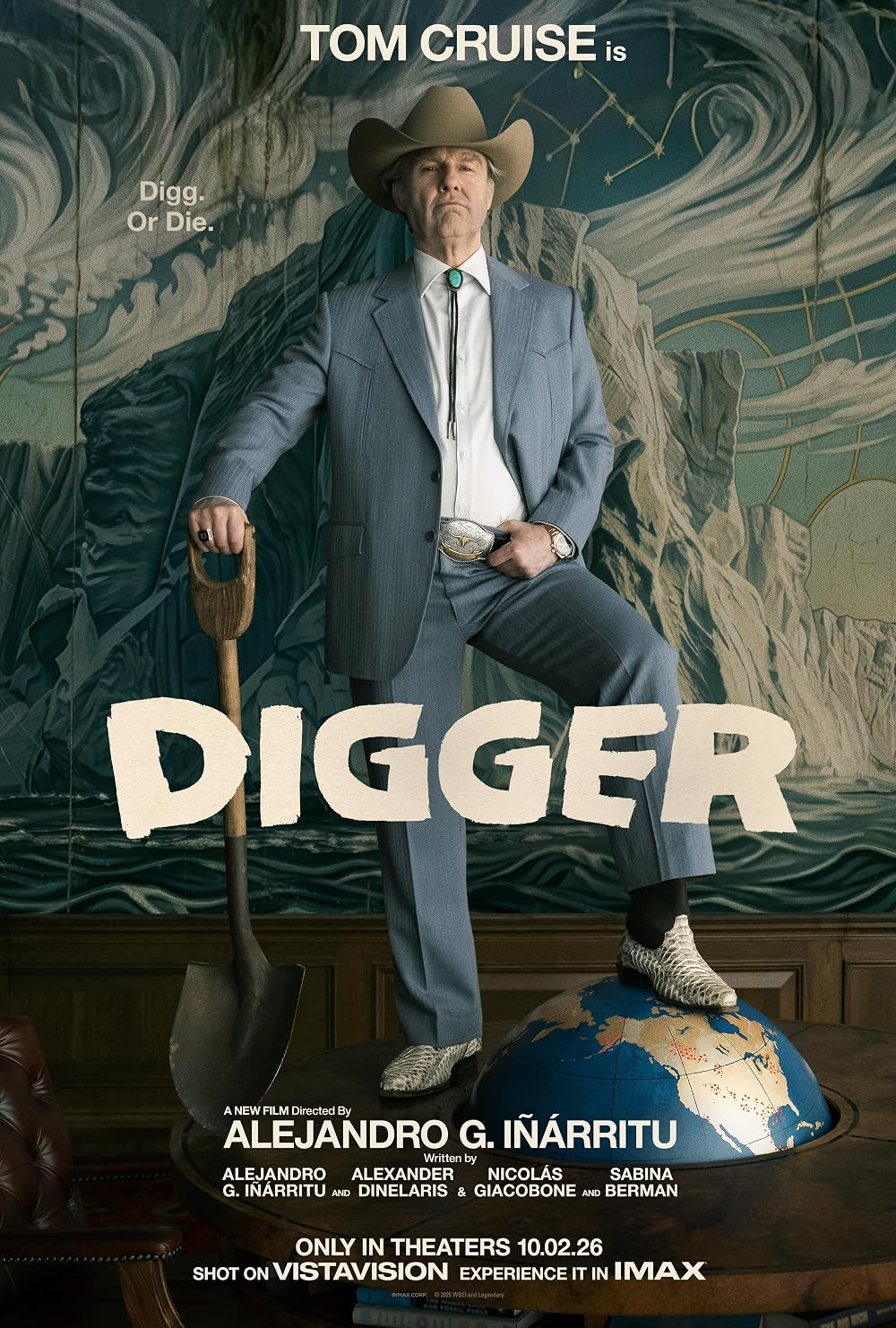
Digger

Truly daring and polarizing works of narrative storytelling don’t come often at this scale. Alejandro G. Iñárritu seems to be embracing both his non-Hollywood roots and the grandeur of major studio production with Digger, a Trojan horse of a film that’s as baffling as it is thought-provoking and urgent. Tom Cruise gives a behemoth of a performance, playing a character meant to satirize the “expertise” and power our society creates around immense wealth. The surrounding cast is also excellent, including the brilliant Sandra Hüller and John Goodman in such a ridiculously angry turn as the POTUS that it actually works for how extravagant the film wants to be.

The film is also very bleak, pulling a trick on you that some viewers will love, others hate, and some won’t know whether it enhances or tanks the story. As it peels back the layers, it tests its luck as to whether the concept is truly effective or just too extravagant for the sake of it, but once it unravels the bigger picture for you, there’s a powerful statement about the depth of human selfishness and ignorance for comfort’s sake. However, it doesn’t know when to dial back the caricature of its characters and situations, even when much of it is intentional. Though I would love to rewatch it knowing what I know now, it also takes getting through a lot of more cringeworthy scenes to get to the unforgettable lightbulb moments. Though the satire is on-the-nose, it’s a film that will stick with you for a while for its ambition and completely jarring essence. Simultaneously difficult to recommend but impossible to skip, it’s got something to say about each one of us sitting in the audience, not to mention the stunning costumes, makeup work, score, and production design (the sets are out of this world).

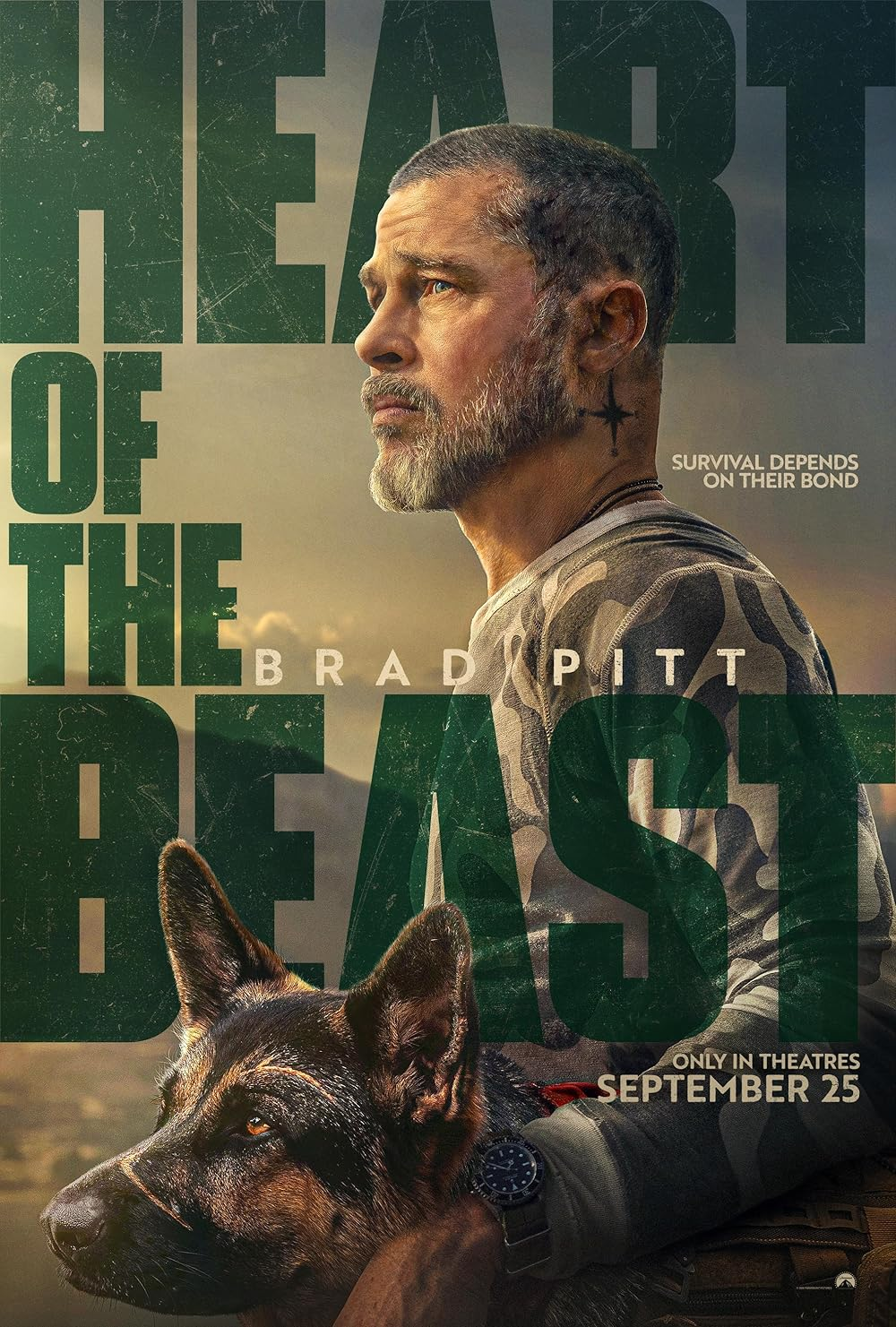
Heart of the Beast

David Ayer wisely chooses to shy away from antagonists and big fight sequences in his newest film, focusing more on a man and his dog’s bond and their fight against the forces of nature to stay alive and make it home, after being stranded in the wilderness due to a plane crash.

Brad Pitt continues to be one of our strongest and most unmissable movie stars, and his character’s military background and ferocity are what make him interesting, but the bond between the two main characters are what will make audiences, and all dog lovers, enjoy this one, even if the premise has been done in many ways before and doesn’t present much that’s new.