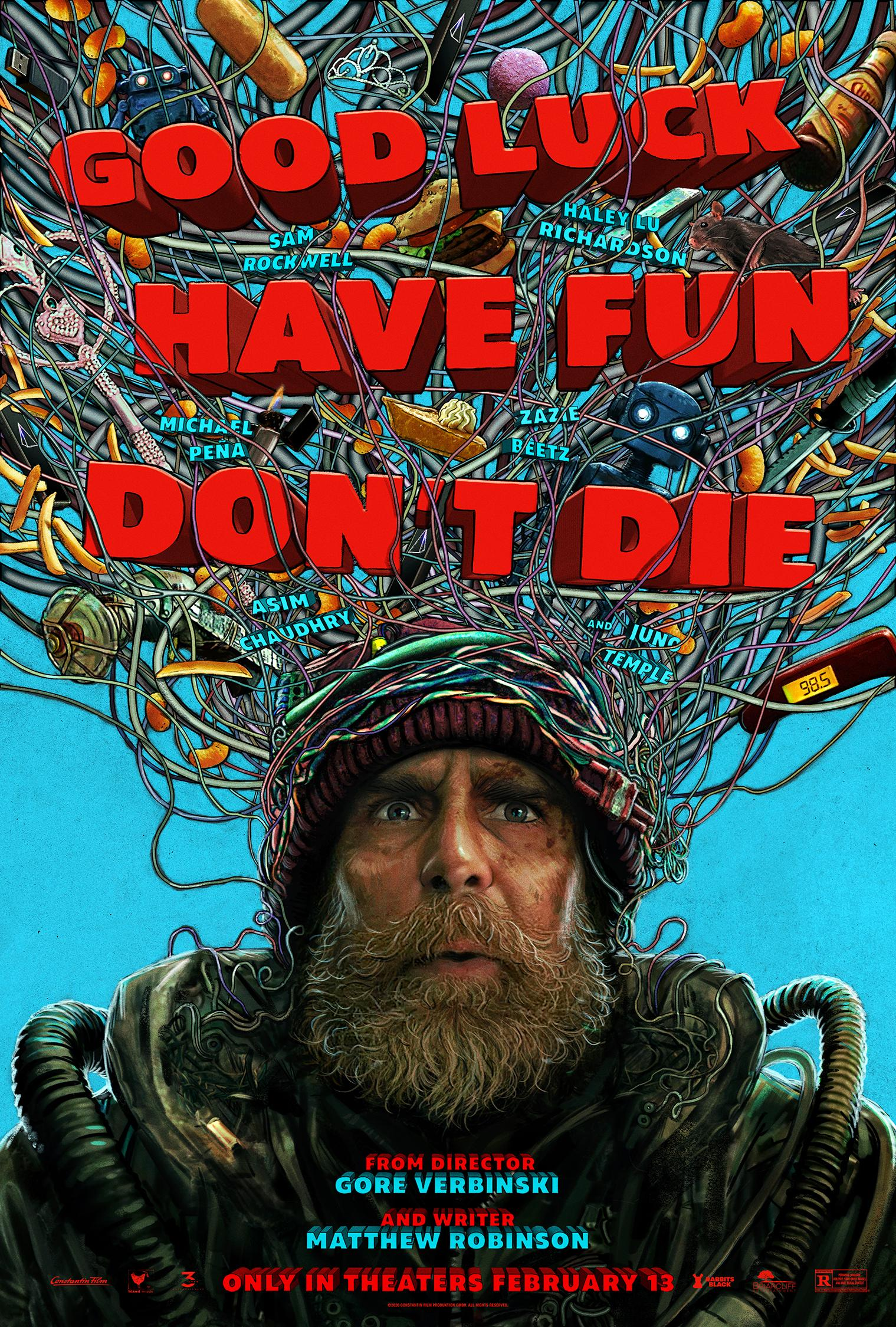
A mysterious man (Sam Rockwell) claiming to be from the future steps into a bar looking for recruits to fight the impending apocalypse with him, but who will be the right group of heroes to survive the night? And is making it to the finish line even possible?
Gore Verbinski assembles what truly feels like a dream cast for a sci-fi action comedy that’s absolutely nuts and isn’t ashamed of it. Sam Rockwell often does a great job of playing guys who seem insane but are actually the only one in the room who’s right, and here is no exception. Haley Lu Richardson and Juno Temple are additional standouts and anchor the film emotionally as well. Though the future hints to be bleak in the story, the clever non-linear narrative pulls down the curtain on a seemingly grounded diner in the present, to reveal that this world and its past is nothing like our own, only it could be. The satire is very unsubtle but also truer than we’d like to admit; we’re often so glued to our phones and so overly reliant on social media and virtual/artificial creations for everyday tasks, and worse, gratification and comfort, that we miss the world around us and forget to use basic common sense and human decency.
At some point, the movie gives up on trying to explain itself and just starts throwing things at the wall to see what sticks, but Verbinski’s imagination make this feel like a large-scale film with scale and a ridiculous self-awareness that’s less concerned with making sense and more so with big excitement that very much succeeds at violent and endearing yet cleverly structured irreverence.
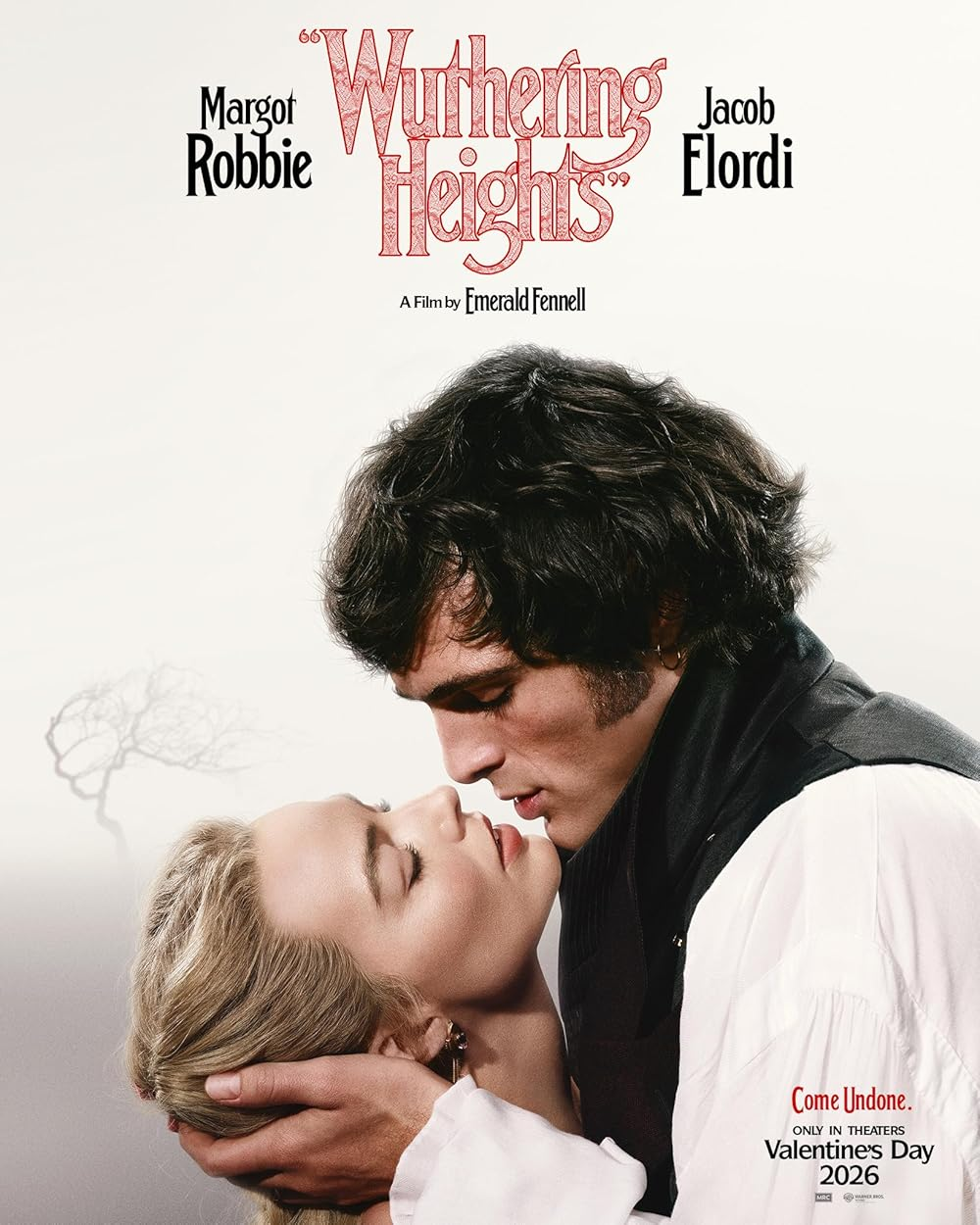
Passion, envy, and tension flies in the air in this fresh adaptation of Emily Brontë’s classic novel proves Emerald Fennell as one of this generation’s finest filmmakers. The cinematography and score are especially what take the story to a whole other plane, with stunning backdrops and a transfixing score and soundtrack casting a spell on you. Charli XCX’s original songs enhance and transform some moments in the film, and leave you maybe even wanting more from them. Margot Robbie is splendid is Catherine Earnshaw, who finds her conflicted in her sense of self, including lust, love, and wealth, in a star-crossed romance with Heathcliffe, brought to life with a quiet yet thundering longing from Jacob Elordi. Hong Chau is also a huge standout as perhaps the most moral character in the film, as is Alison Oliver who takes her role to many surprising places.
It’s truly Fennell’s vision that elevates this story that’s been told over several installments, but the beauty in many emotional scenes comes from the push between a world that rewards status and control and characters born of virtue and good, who uncover deep dark capabilities within them. I again can’t understate the power of the music that takes a whole life of its own. Though the back half threatens to drag, it picks up for a strong ending, by which Robbie, Elordi, and Chau have stunned with their performances in this eye-popping and transporting romantic drama.
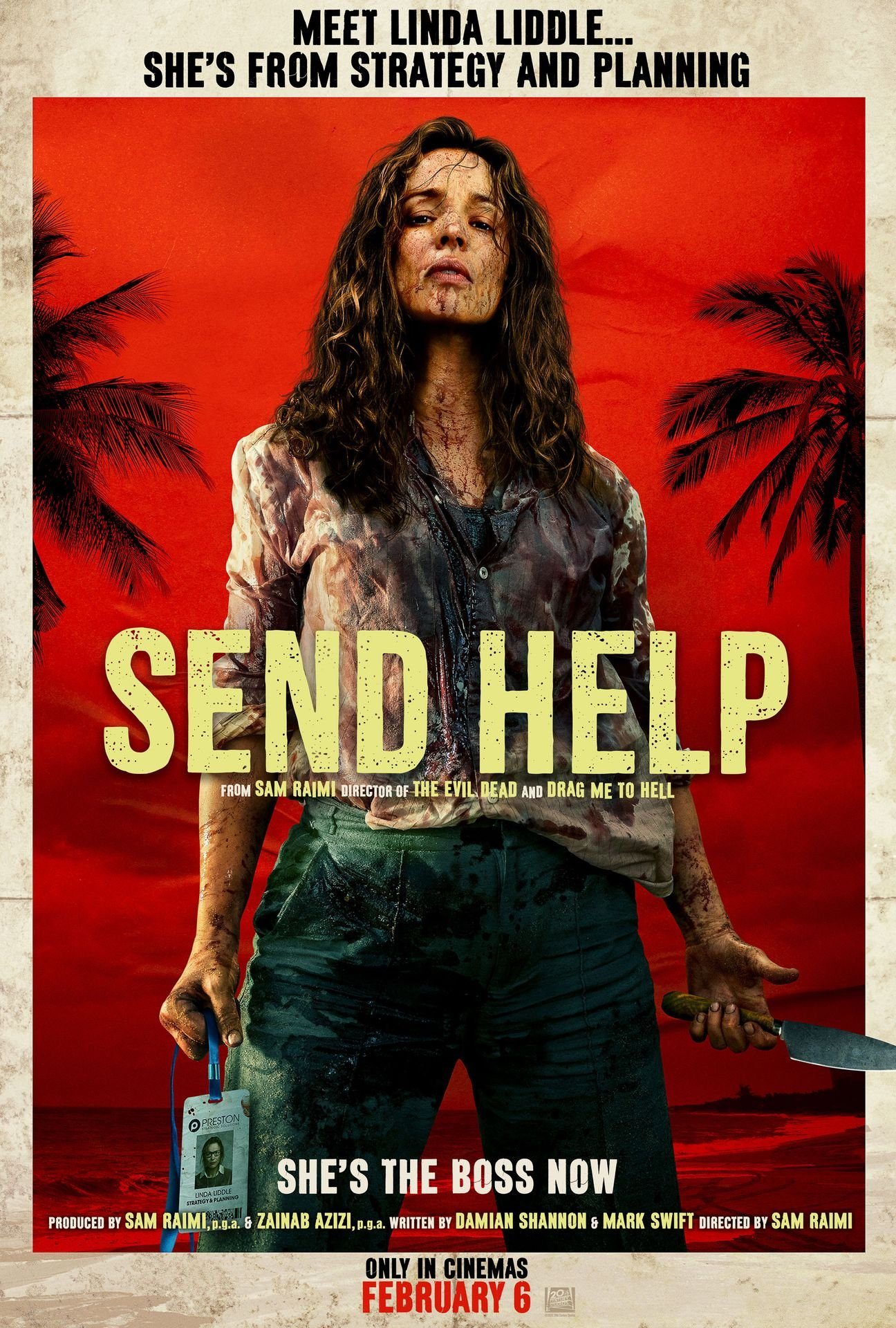
Rachel McAdams and Dylan O’Brien are employee and conceited millionaire boss who are forced to survive together after a plane crash leaves them stranded on an island. Sam Raimi embraces his horror/thriller roots with humor more clever than his past entries, and an exciting structure that pulls out another surprise every time you think the concept is about to wear out.
McAdams is always such a delight in any role she graces, but this may be one of her best performances — a woman whose lack of validation from others in her life turns into the ability to make horrific decisions. O’Brien is delightfully awful yet there’s a pity to the way he is unable to carry himself like a mature, generous human being. The CGI has a few distractingly bad moments, but that also contributes to the film’s silliness that it finds within the dark situations it finds, and then escalates. It’s a survival thriller that’s not a full on comedy, or a full on horror film, but has a bit of it all. The more the runtime goes by, the more intrigued you are to see what bloody chaos will play out between the two, with a true sense of unpredictability to it.
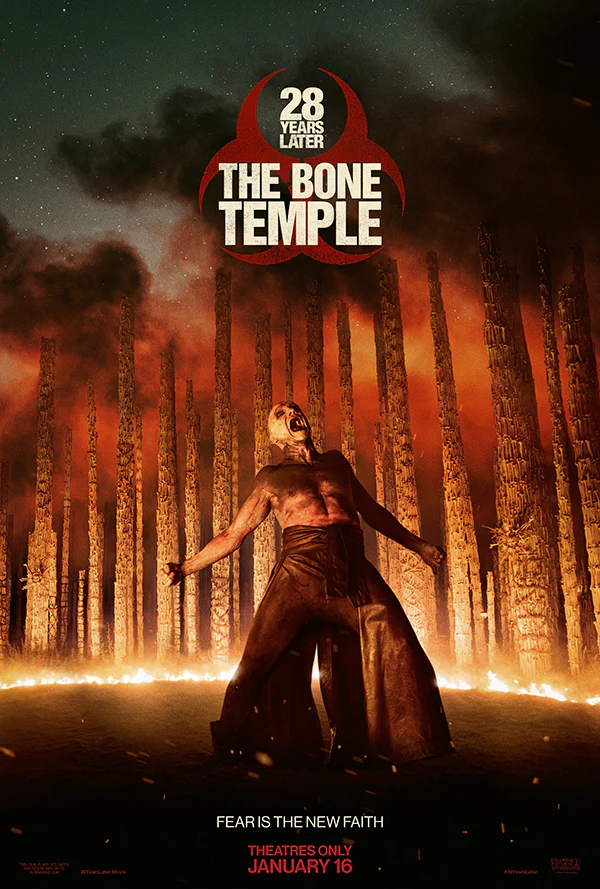
28 Days Later is not only a fascinating zombie film, but has spawned a unique and exciting franchise since. Releasing two films within the span of seven months isn’t something most film series can truly earn, but 28 Years Later: The Bone Temple continues to embrace the violent setting and genre while flipping the themes and styles of its predecessor on their axes. Nia DaCosta’s direction is far more patient and just as dark, but there also seem to finally be some cracks of optimism in the world that’s gone to hell, with people fighting against a terrifying virus, and some humans even killing one another. That hope comes in the form of Dr. Ian Kelson. Ralph Fiennes’ intelligence, compassion, and gravitas serve as a light in the film and to the circumstances that have turned the world into a landscape of fear and carnage. Equally captivating on the other end of things is Jack O’Connell as a vicious cult leader. O’Connell brings to life a character whose ruthlessness takes up so much space on the screen, led by his conviction that his duty is to spread Satan’s work and better the world by preying on the weak and selecting only the strongest to serve him as his acolytes.
Alfie Williams is a strong breakout star as the lead of this new trilogy within the franchise. Spike is a kid who’s lost so much but always determined to stay noble and do good to himself and others, even as he’s forced into a murderous cult. DaCosta brilliantly utilizes some soundtrack choices, and creates some stunning set pieces. Thematically, these films have thrived on the idea that as humanity is being threatened by the apocalypse, it’s actually doomed to tear itself apart, but here, the script proposes that maybe there’s something after those ideas of cruelty and nihilism, which is that goodness and integrity may still prevail. 28 Years Later: The Bone Temple doesn’t answer all these questions, but it’s certainly one of the most unnerving and inventive horror films of the decade and the best one in the franchise yet.
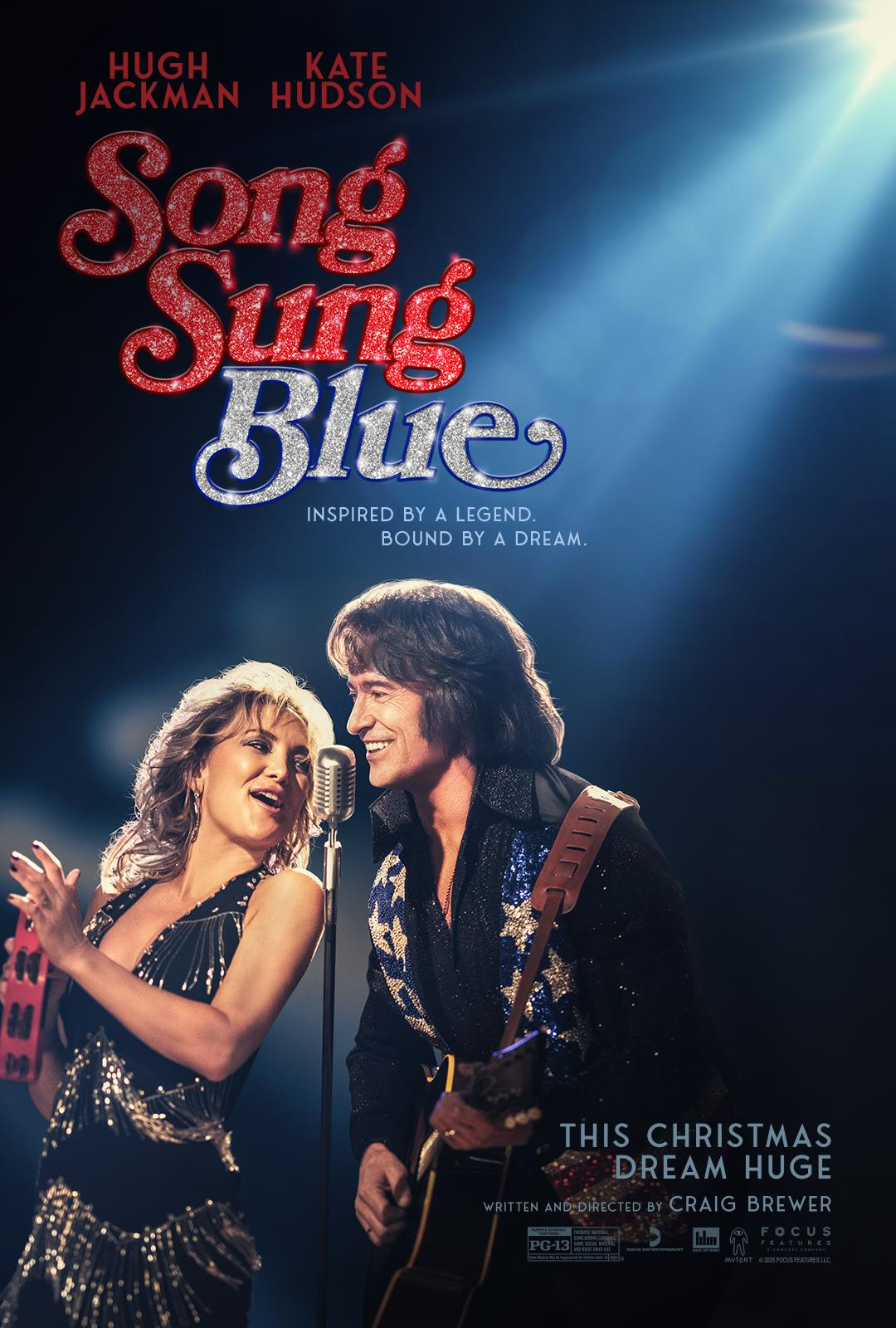
It’s hard to imagine who was asking for a film about a Neil Diamond tribute band, but this true story works due to its immense charm. Hugh Jackman shines as Mike Sardina, a misfit who dreams of bringing success to his Neil Diamond show. His charisma and excellent passion for music shine in the role. Kate Hudson gives one of her strongest performances as the band’s other half — together they’re “Lightning and Thunder”. Claire faces great tribulations but her resilience and desire to not be made small by those around her define her character’s journey.
Craig Brewer directs the music performance scenes with a power that anchors the film, and though it doesn’t set out to reinvent the biopic, it works well thanks to its underdog energy and emotion. This drama about the convergence between music, love, and the strength to carry forward, has touches of strong humor but will also tug on your heartstrings, and may also make you curious to learn even more about the true story behind the duo at the film’s center — and listen to some Neil Diamond hits — after the movie ends.
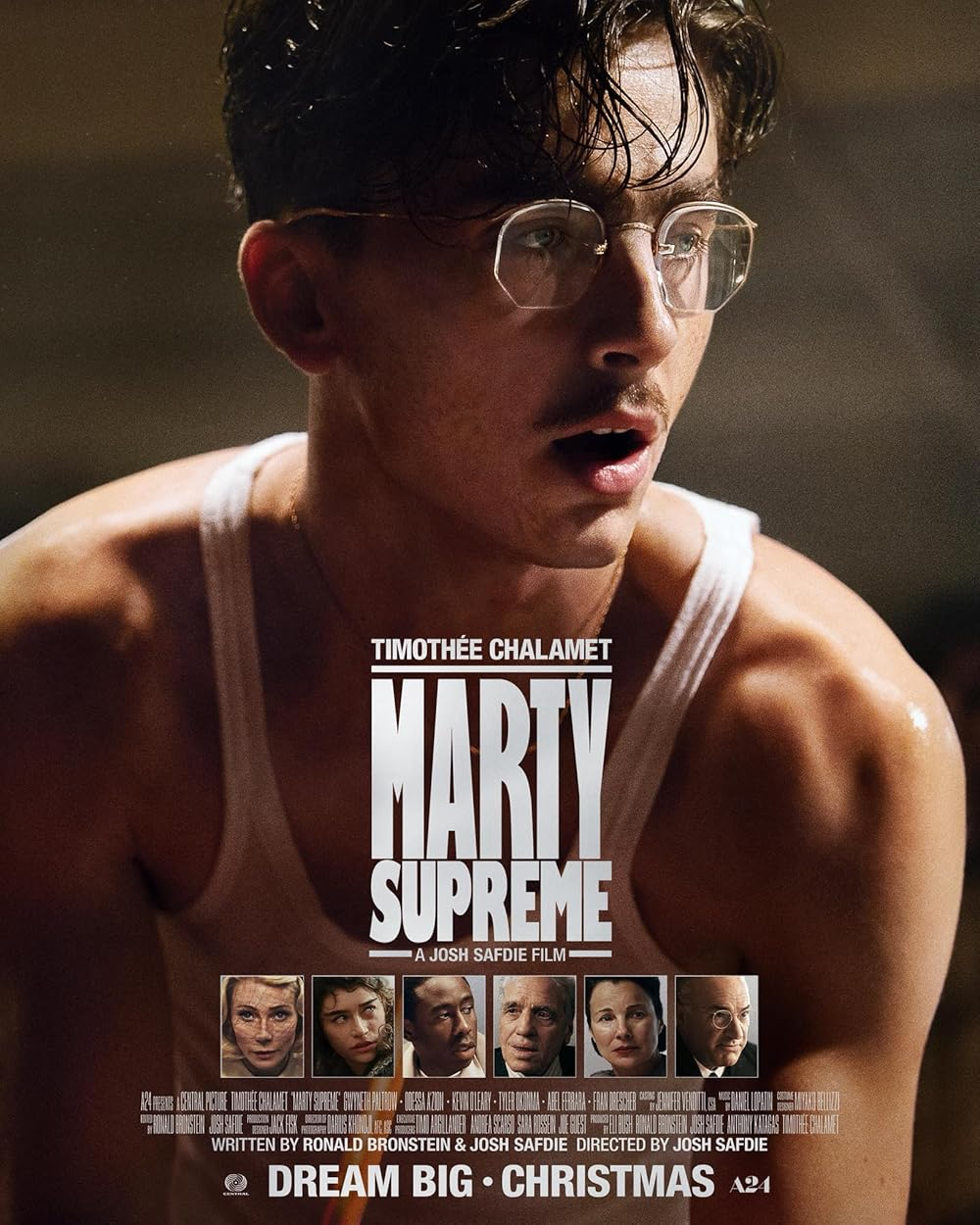
The Safdies’ bold filmmaking style has reinvented storytelling since they entered the scene in their expert use of handheld camerawork and overlapping dialogue to build tension, and Josh Safdie’s newest film is not only his grandest, but also one of the year’s must-watch movies that subverts most modern categorizations. If you had trouble rooting for Adam Sandler’s lead in Uncut Gems, Timothee Chalamet’s portrayal of Marty Mauser is almost as slimy, smooth-talking, and utterly self-centered. Not to mention, it’s the best performance of his entire career, devoting so much physicality in every moment to a character who desires to not only be great, but to be celebrated for his greatness. That’s exactly what causes him to make choices that are hot-headed, self-destructive, and often awful to others. Chalamet is loud but oddly charismatic, energetic, and layered. So why, through it all, are we secretly hoping for our unlikable protagonist to get what he wants, even if we know he might just squander it? Marty hustles, lies, insults, and risks it all to reach his ultimate goal of being the best ping pong player in the world, and Safdie’s direction as certain scenarios open rabbit holes of crazy and unwanted situations captures the exhilarating and hysterical chaos of it all.
Odessa A’zion delivers a spectacular breakout performance, giving her character of Rachel a kinetic unpredictability and standing out as a pivotal role in the story that’s impossible to look away from. Gwyneth Paltrow gives much heft to her character, a lost and washed-up but passionate actress looking to be heard in what she feels is a stuck situation in her life, and Kevin O’Leary also shines in a role defined by authority, vanity, and a coldness that looks down on Marty as he approaches him. Tyler, the Creator also stands out as a friend of Marty’s who shares some of the craziest scenes of the film with him. Safdie does an outstanding job of capturing the dirty and rugged look of 1950s New York, with madness increasing as characters yell over each other with the camera up in their faces, or sometimes bad or desperate situations escalate to much, much worse. The script, camerawork, and editing are working together in unison in every moment to create an intense and nail-biting flow that never stops. Not to mention, Daniel Lopatin’s booming score and the brilliantly selected soundtrack enhance every moment in which they’re present.
Chalamet’s performance that vivdly brings the titular character to life is just as fascinating as trying to piece together the greater poetry of the story. The magnitude of Marty’s ambitions are underscored by his entitlement to his gifts and destiny, and his willingness to deceive and toss those close to him aside. This make it fun to predict whether or not he’ll find the success he’s looking for; if he does, at what cost? And if he doesn’t, which of his egregious mistakes will be his downfall? In expected Safdie fashion, it’s overwhelming direction and sound design contribute to a nail-biting watch that resonates as a wickedly structured character study, an absurdly shocking comedy, and one of the one of the most epic dramas of the year.
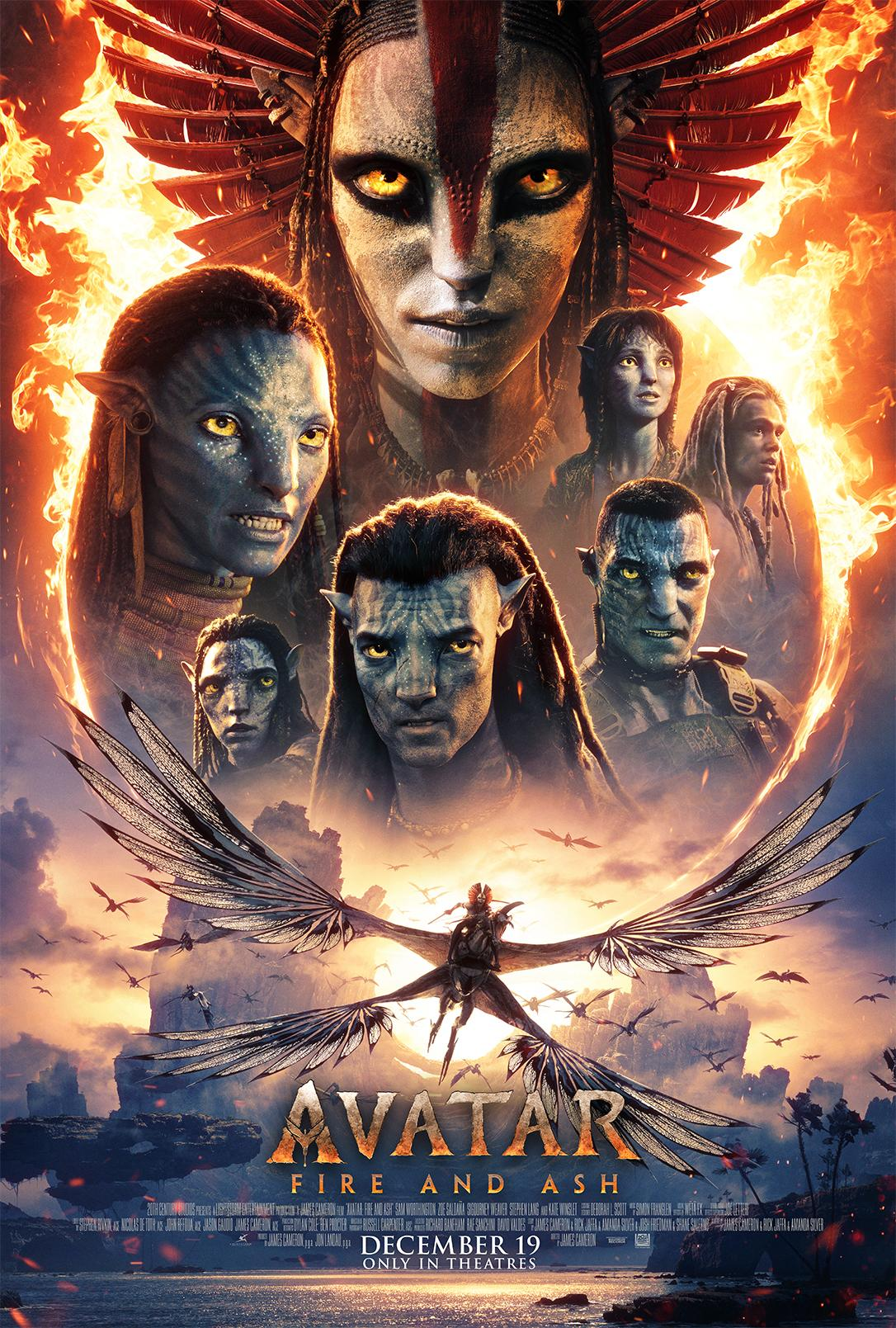
James Cameron succeeds yet again in teleporting the audience from their seats into the lands, airs, and seas of Pandora and anyone who buys a ticket for Avatar: Fire and Ash may experience one of the most visually arresting things they’ve ever seen. The complexity of the water, the Na’vi people themselves, and the incredible settings are so detailed and breathtaking to look at, immersing you into an action sci-fi saga with epic scale that only Star Wars and Dune have reached recently. Every character is challenged to the brink to make the most difficult choices, and the child characters from the last film are even stronger here. Jake and Neytiri’s son Lo’ak earns a lot of spotlight he’s given, and Jack Champion’s performance has definitely improved. Zoe Saldaña is again a highlight as Neytiri and given much more to do, while Sigourney Weaver impresses in her strong performance as Kiri. Stephen Lang eats up the scenery as the ruthless and vengeful Quaritch. It’s interesting to examine his grievance against Jake, as they’re both once-human military men now in Na’vi bodies, but even more interesting is the dichotomy between Neytiri and new antagonist Varang, played fantastically by Oona Chaplin. She’s the leader of the Ash People, who reject the Na’vi belief in the goddess Eywa and is hellbent on spreading chaos.
The action sequences are brought to life with such a might and grandeur that it truly feels like the culmination of decades of blockbuster filmmaking. The journey is so stunning that you may not want it to end, but if anything holds the film back, is action set pieces feeling recycled from the last film. The similarities to The Way of Water, especially in the final act, are glaring, including numerous character dynamics/arcs and action scenes. The human characters get a lot of screen time and are rather annoying, especially Giovanni Ribisi, who is needlessly brought back from the first film. However, it looks so gorgeous, particularly a jaw-dropping final battle, and the emotional stakes are so high that the immersive adventure forgives much of its unoriginality and some narrative shortcomings. Those looking for another thrilling experience will be amazed by the sheer beauty of what may be one of the most intricate and astounding CGI achievements of all time. If you can forgive some familiarity, Fire and Ash will lift you out of your seat and take you to worlds away that feel so tangible that watching it in big formats like IMAX and 3D is a once-in-a-lifetime experience.
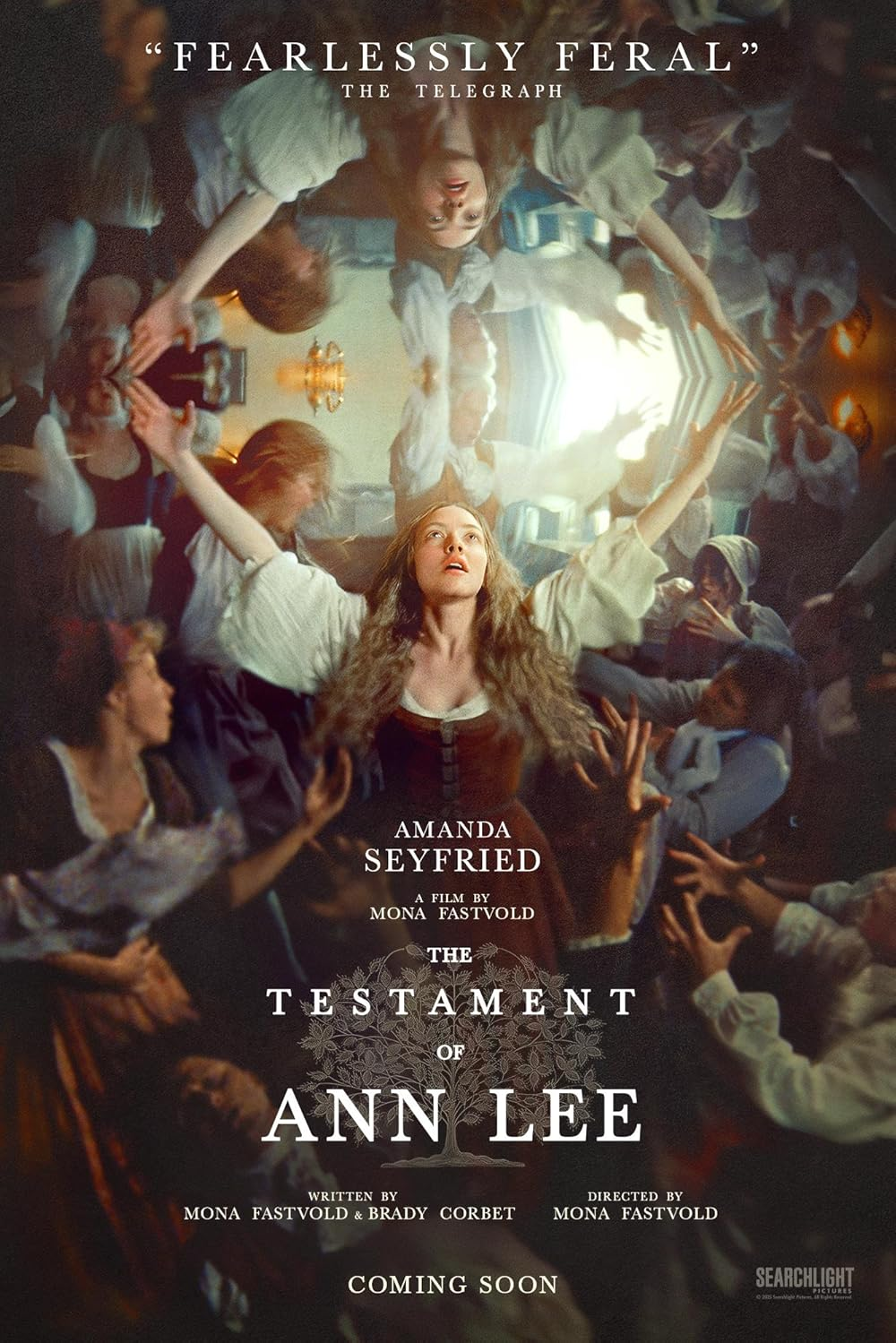
Mona Fastvold’s latest endeavor is almost impossible to describe, but will certainly cast its bizarre spell on many viewers. Amanda Seyfried gives her most potent performance yet, portraying a woman whose faith and guidance becomes relentless in the face of tragedy and hardship. The film brings to light the story of the Shakers, a religious group whose form of worship and communion were rather unique, and compliments the musical element of the film, as their worship is practically in very visceral song and dance. Lewis Pullman and Thomasin McKenzie also greatly stand out here.
The cinematography and the editing make the film almost dream-like, to evoke the state of divinity the worshippers must’ve felt, but also touches on intense and difficult imagery that tests the characters and their surroundings to the brink. Though it’s a slow burn that may lose some for various reasons, it’s also captivating and singular. It works not just as a biopic but as a fascinating experiment that boasts a tremendous leading performance from Seyfried. The film is darkly beautiful and visionary, and it’s impossible to resist its hallucinatory trance.
There’s something pure in seeing the healing nature of art and how it helps people through tough times — but watching a character embrace stand-up comedy means both the audience within the movie and the audience of the film, as in us, gets to laugh, if the movie’s well-written enough. Is This Thing On? hits all the right notes thanks to its funny and vulnerable script and pitch-perfect casting of its two leads.
Will Arnett gives far and away the most wonderful performance of his career, never letting his signature goofiness get in the way of something raw and delicate. The way he finds joy through a new hobby, and many who find that comedy puts just a little beneath his wings, feels so cinematic. Laura Dern is terrific and gives so much to the character’s complexity, and at times the story is very much her own.
Cooper’s direction knows when to be showy and when to close in very intimately, while the script does a great job portraying the complexities of love, even as its practicality and patience fades, and sometimes even reignites. What thankfully subverts expectations is that neither character going through this divorce is “unlikable” or acting in a way that feels to irrational or hard to sympathize with. They can be flawed and distant, but very much easy to care for and understand. Arnett and Dern are splendid together and feel so perfectly matched every second we see them both on the screen. The film has just the right amount of silly yet smart laughs, which never compromise the film’s truthful humanity and intelligence.
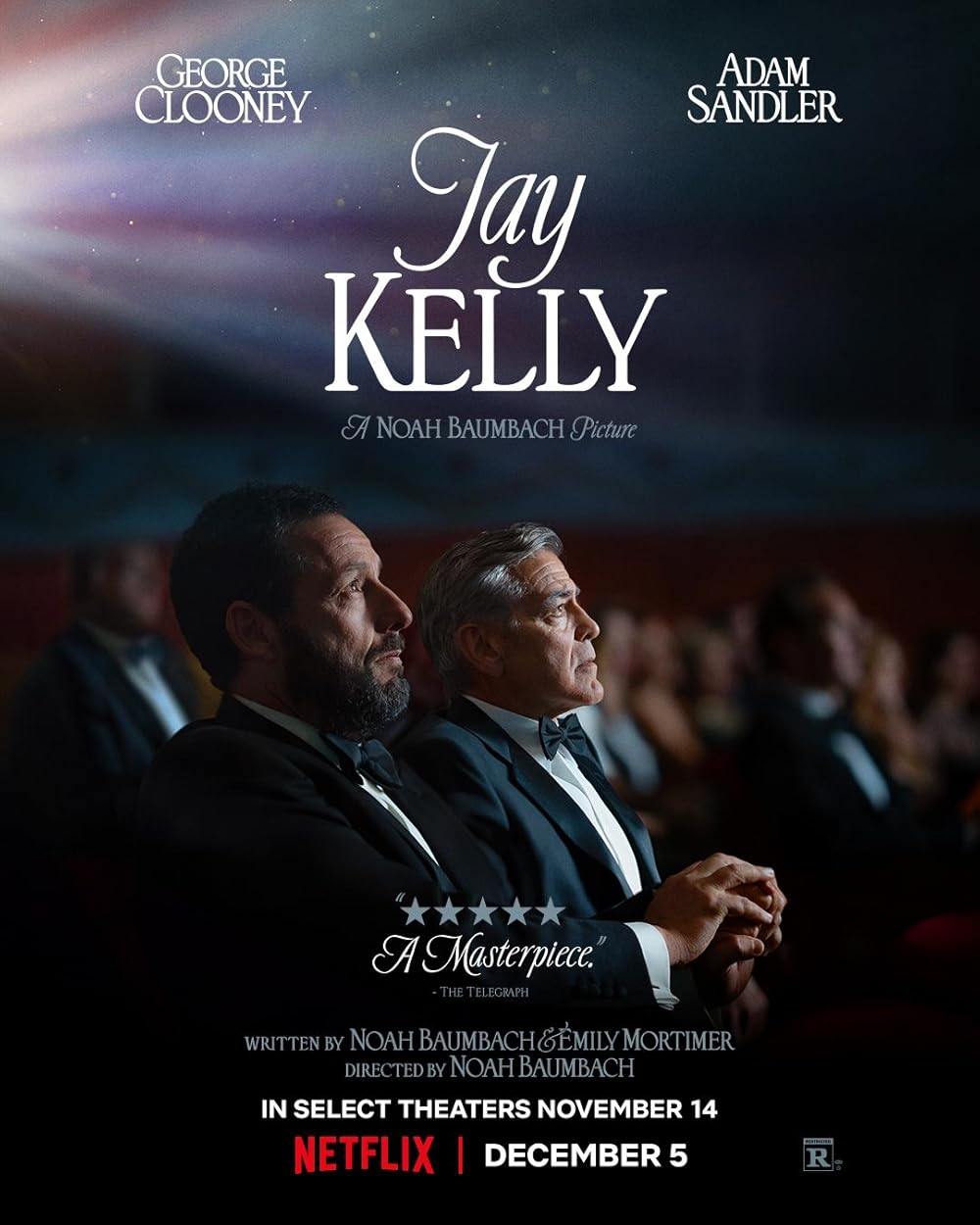
Noah Baumbach’s largest film in cast and scale isn’t his best work or even close, but certainly one of his most ambitious. George Clooney stars as the titular Hollywood actor seeking to reconcile with his daughters as he is about to be given a lifetime achievement honor in Europe. Jay’s relationship with his manager Ron is the film’s real heart here, with Adam Sandler not only stealing the entire film but giving one of the best performances of his entire career. Ron is torn between his devotion to his client and dear friend, and the heartache of missing out on time with his wife and kids. Sandler gives the character a dimensional charm, conflict, and vulnerability. Laura Dern is also outstanding as Jay’s publicist, also frustrated as she’s desperately trying to fulfill the impossible role of chasing Jay around and covering for him.
Many other familiar faces give very strong performances here, although Baumbach’s directing here stands out even more than his writing this time around. The film’s approach to memory and distance is very interesting, as is the idea of this “king” finally spending time with ordinary people who perceive him as a legend of sorts. However, the main storyline between Jay and his daughters doesn’t quite have the emotional weight that’s needed, with the themes being a bit too obvious and the film just lacking enough screen time with his youngest daughter to feel the way the movie wants us to about the main father-daughter relationship here. A performance moment and line delivery from Clooney in the film’s final moments, however, elevates the entire film and brings the themes full circle, even if it takes that long for them to really hit hard. Jay Kelly doesn’t live up to the excellence of Baumbach’s best storytelling like Marriage Story, but is still big yet introspective, with Clooney and Sandler standing out together, and the latter’s performance resonating in particular.